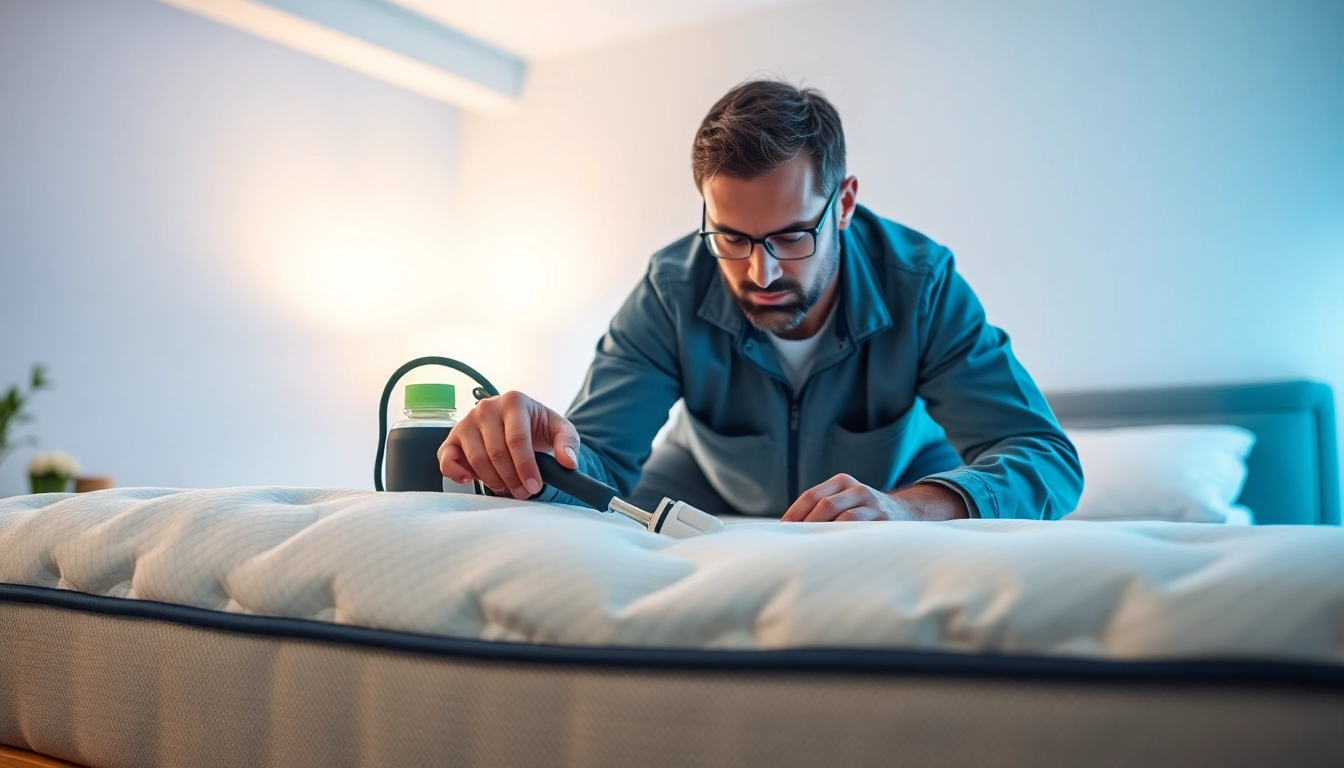
Understanding Bed Bugs and Their Habits
What Are Bed Bugs?
Bed bugs, scientifically known as Cimex lectularius, are small, wingless insects that feed on the blood of humans and animals. They predominantly reside in areas where people sleep, which is why they are often found in beds, furniture, and other close quarters. Adult bed bugs resemble small apple seeds, about 4-5 mm in size, with a flat, oval body and a reddish-brown color. These pests are notorious for their resilience and ability to reproduce rapidly, making infestations particularly troublesome.
Common Signs of Infestation
Detecting a bed bug infestation early is crucial for effective treatment. Signs to look out for include:
- Visible Bed Bugs: Spotting live bed bugs in seams of mattresses, bed frames, or furniture.
- Exoskeletons: Shed skins from nymphs as they mature, which appear translucent and pale.
- Fecal Spots: Dark spots visible on sheets, mattresses, or walls that indicate recent blood meals.
- Itchy Bites: Red, itchy welts on the skin, often in a line or cluster, indicating feeding activity.
Life Cycle of Bed Bugs
Understanding the life cycle of bed bugs can help in addressing an infestation effectively. The bed bug goes through five immature stages, known as nymphs, before reaching maturity. Each nymph stage requires a blood meal to molt into the next, and the entire life cycle can take as little as 5 weeks under perfect conditions. The lifespan of bed bugs can extend to several months or even a year, depending on environmental factors like temperature and availability of hosts.
Effective Strategies for Bed Bug Removal
DIY Approaches for Bed Bug Removal
While many homeowners may initially attempt DIY methods to eradicate bed bugs, it's important to approach this carefully. Here are some effective strategies:
- Heat Treatment: Washing infested bedding and clothes in hot water, then drying on high heat can effectively kill not just bed bugs but also their eggs.
- Vacuuming: Frequent vacuuming of floors, carpets, and upholstery can help remove visible bed bugs and dust. Ensure to discard the vacuum bag immediately after use.
- Encasements: Using specially designed encasements for mattresses and box springs can trap existing bed bugs and prevent new infestations.
- Use of Non-Toxic Sprays: There are organic pest control sprays available that can be effective in targeting bed bugs without harsh chemicals.
When to Consider Professional Help
If the infestation is severe or resistant to DIY efforts, seeking professional help becomes crucial. Professionals have access to advanced tools and techniques that can successfully eliminate bed bugs. They typically conduct comprehensive inspections, tailored treatment plans, and follow-up evaluations. When choosing a pest management company, ensure they use eco-friendly options that ensure safety alongside efficacy.
Using Heat Treatment for Bed Bugs
Heat treatment is one of the most effective methods for bed bug removal, as it involves raising the temperature in an infested area to a lethal level (~118°F or 48°C). Professional services can use specialized equipment to treat entire rooms, ensuring that every crevice is adequately heated. The heat penetrates walls, mattresses, and furniture, effectively killing all life stages of bed bugs. This method is often preferred as it eliminates the need for toxic chemicals.
Costs Involved in Bed Bug Removal
Understanding Treatment Costs
The cost of bed bug removal can vary significantly based on the severity of the infestation, the treatment methods used, and the geographic location. On average, homeowners can expect to pay between $300 and $1,500 for professional treatments. DIY methods, while potentially cheaper, may result in higher long-term costs if they fail to address the problem effectively.
Factors Influencing Pricing
Several factors can influence the overall cost of bed bug removal:
- Severity of Infestation: Larger infestations typically require more extensive treatments and multiple sessions.
- Size of Infested Area: The total area needing treatment will impact pricing as larger spaces require more time and resources.
- Type of Treatment: Options such as heat treatment may be more expensive upfront but often yield quicker results than chemical treatments.
- Geographical Location: Costs can vary based on local market rates and the availability of pest control services.
Comparing DIY vs. Professional Services
While DIY methods could save you money initially, they often lack the comprehensive solution provided by professional services. DIY approaches can be time-consuming, and the potential for incomplete eradication can lead to recurring infestations, ultimately costing more in the long run. Professional services, while pricier, can provide a long-term solution and peace of mind that the problem has been effectively handled.
Preventive Measures Against Bed Bugs
Tips for Avoiding Bed Bug Infestations
Preventing bed bug infestations is key to maintaining a healthy home. Consider the following tips:
- Regular Inspections: Regularly inspect your home for signs of bed bugs, especially after travel or guest visits.
- Maintain Cleanliness: Keeping your living spaces clean and clutter-free can reduce hiding spots for bed bugs.
- Trash Disposal: Seal trash bags tightly and dispose of them regularly to prevent attracting pests.
Best Practices for Travelers
Travelers are often at high risk for picking up bed bugs from hotels or rental properties. Here are some strategies to stay safe:
- Inspect Your Room: Before settling in, perform a thorough inspection of the room for signs of bed bugs.
- Keep Luggage Elevated: Use luggage racks to keep your bags off the floor and away from potential infestations.
- Seal Your Belongings: Use resealable plastic bags for clothes and personal items to contain any pests that might attach during travel.
Home Maintenance Tips
Basic home maintenance can significantly reduce the risk of bed bugs:
- Seal Cracks and Crevices: Regularly inspect and seal cracks in the walls, baseboards, and window frames to decrease potential entry points.
- Monitor Second-hand Items: Be cautious when bringing in second-hand furniture or clothing; inspect for signs of bed bugs beforehand.
- Regular Professional Inspections: Consider scheduling routine pest inspections, which can help identify and address potential issues early.
Frequently Asked Questions About Bed Bug Removal
What kills bed bugs instantly?
Products containing high concentrations of isopropyl alcohol can kill bed bugs on contact. Additionally, using steam at high temperatures (>200°F) can effectively eliminate them quickly.
How can I prevent bed bugs in my home?
Regular inspections, cleanliness, sealing entry points, and being cautious with second-hand items are key strategies for preventing bed bug infestations.
Is bed bug removal covered by insurance?
Some homeowner insurance policies may cover bed bug removal, but it varies by provider. It's essential to review your policy or contact your insurer for specifics.
How long does bed bug treatment take?
The duration of treatment varies based on the severity of the infestation and the method used, but professional treatments typically require several hours, with follow-ups in two to four weeks.
Do I need to throw away my mattress?
While many people consider discarding infested mattresses, it's often possible to salvage them with proper treatment. Encasements can protect and trap remaining bugs effectively.
For effective bed bug removal, it is essential to act swiftly and decisively using a combination of methods tailored to the specific situation. Understanding these pests, their habits, and the best removal strategies can significantly reduce the chances of an infestation and lead to a more comfortable living space.