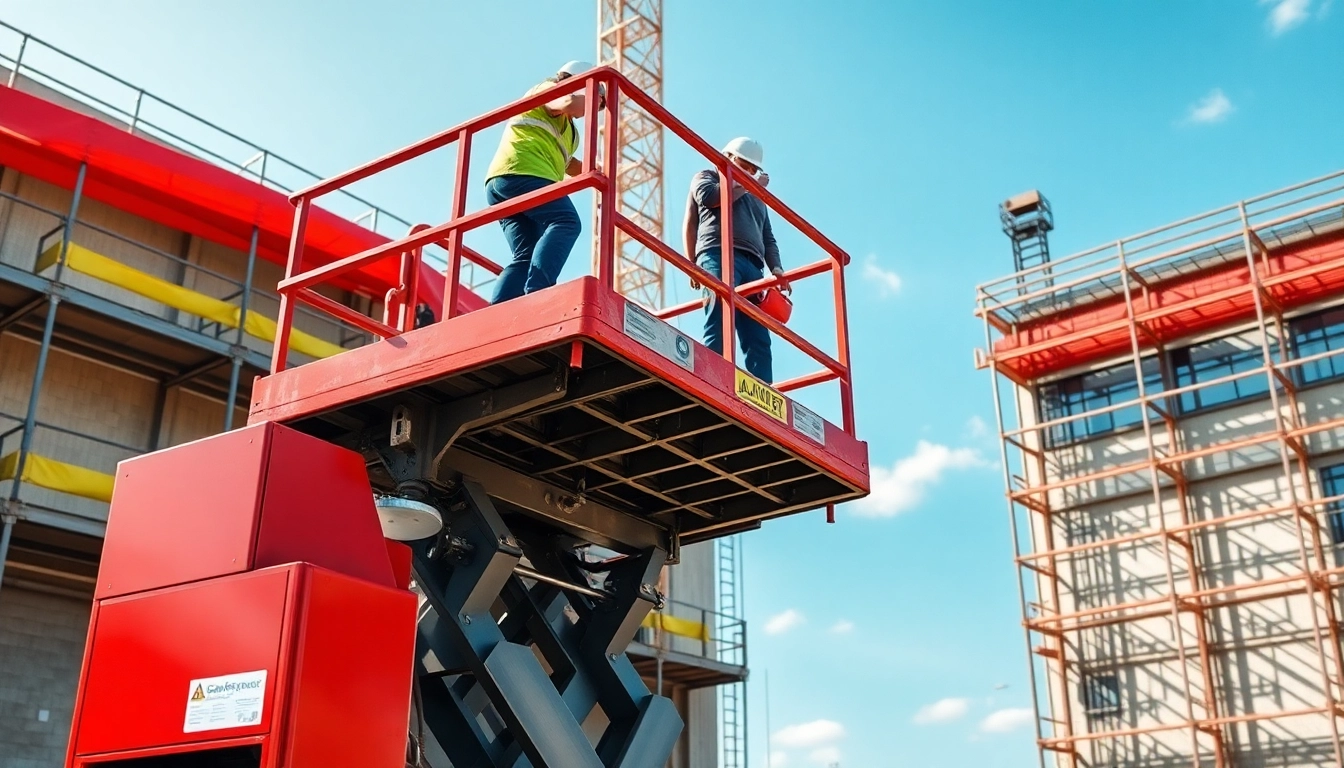
Understanding Construction Safety Training Colorado
Construction safety training is essential in ensuring the well-being of workers on job sites, particularly in regions like Colorado where construction activities are abundant. The purpose of this training is to equip workers with the knowledge and skills necessary to recognize hazards, prevent accidents, and respond effectively in emergencies. Safety training programs are not just a compliance requirement; they enhance workplace safety, contribute to a positive work environment, and ultimately boost productivity. To explore more about this crucial aspect, you can check out construction safety training colorado.
Importance of Safety Training in Construction
The construction industry is known for its inherent risks; from machinery operations to working at heights, the potential for accidents is high. Safety training plays a pivotal role in mitigating these risks. A well-trained workforce is empowered to identify potential hazards, properly use personal protective equipment (PPE), and follow safety protocols that can prevent injuries. Moreover, investing in safety training reduces the likelihood of accidents, which can lead to financial losses due to medical expenses, litigation, and downtime. A commitment to safety can also foster improved employee morale and retention, as workers feel valued and protected.
Key Regulations and Standards to Follow
In Colorado, construction safety training must adhere to the standards set forth by the Occupational Safety and Health Administration (OSHA) and other state regulations. OSHA outlines specific training requirements based on various construction-related tasks, and compliance is essential to avoid penalties. For instance, workers involved in scaffolding must receive training on proper assembly and safe practices, ensuring that they understand the dangers and how to mitigate them. Familiarity with these regulations not only helps maintain compliance but also enhances overall safety culture.
Types of Safety Training Programs Available
Various safety training programs are available to address the diverse needs of construction projects. Key programs include:
- OSHA 10-Hour and 30-Hour Training: These programs offer fundamental safety awareness tailored to workers and supervisors, respectively.
- Hazardous Materials Training: Training focusing on the identification and management of hazardous materials commonly found on construction sites.
- Forklift Operation Training: This program teaches proper forklift operation, safety precautions, and maintenance practices to reduce accident risks.
- Fall Protection Training: Focused on strategies and equipment to prevent falls from heights, essential for ensuring safety while working on roofs, scaffolding, or ladders.
- Site-Specific Safety Orientations: Tailored programs specific to projects, highlighting unique hazards associated with each construction site.
Essential Components of Effective Training Programs
Identifying Workplace Hazards
A critical aspect of any construction safety training program is the identification of workplace hazards. This process involves assessing the construction site for potential risks, including machinery operation, environmental factors (like weather conditions), and human factors. By employing various techniques such as job hazard analysis, teams can systematically evaluate tasks to pinpoint hazards and implement controls. Regular site assessments contribute to a safer working environment and keep safety protocols current with changing conditions.
Creating Emergency Response Plans
Having a well-defined emergency response plan is vital for any construction site. This plan should include procedures for various potential emergencies, such as fires, chemical spills, or medical emergencies. Employees must be trained on these procedures, ensuring they know how to respond effectively in critical situations. Mock drills should be conducted to familiarize workers with evacuation routes and protocols, reducing panic and confusion in actual emergencies.
Workplace Safety Equipment and Gear
The correct use of personal protective equipment (PPE) is essential to safeguard construction workers. Training programs should include guidance on selecting, maintaining, and correctly using PPE, tailored to the specific hazards present on the job site. Common items include helmets, goggles, gloves, fall arrest systems, and high-visibility clothing. Ensuring workers understand how to properly check and wear this equipment can significantly reduce injury risks.
Best Practices for Implementing Construction Safety Training
Engaging Training Methods for Maximum Impact
To ensure the effectiveness of safety training, it’s vital to use engaging and varied teaching methods. Interactive elements such as hands-on demonstrations, simulations, and group discussions can significantly enhance retention and understanding. Incorporating visuals, videos, and real-life scenarios related to construction hazards can make the training relatable. Additionally, leveraging technology such as virtual reality can offer immersive experiences, allowing workers to experience potential hazards in a controlled environment.
Consistency in Training and Safety Meetings
Consistency is key in maintaining a culture of safety on construction sites. Regular safety meetings, alongside periodic refresher courses, help reinforce the importance of safety training. These meetings should serve as platforms for discussing new safety guidelines, sharing experiences, recognizing safe practices, and addressing concerns. Consistent engagement keeps safety top-of-mind for all employees, fostering an environment of shared responsibility.
Monitoring and Feedback Mechanisms
Monitoring the effectiveness of safety training programs is essential for continuous improvement. Implementing feedback mechanisms through surveys, assessments, and observations allows organizations to identify gaps in understanding or areas needing reinforcement. Additionally, tracking safety performance metrics such as incident rates, near misses, and compliance violations can provide quantitative data to improve future training initiatives.
Case Studies: Successful Training Implementations
Real-Life Training Success Stories
Several construction companies have successfully implemented safety training programs with remarkable results. For example, one company reported a 50% reduction in work-related injuries within one year after redesigning its training program to incorporate more hands-on training and scenario-based learning. Such success stories highlight the transformative impact that effective training can have on workplace safety.
Lessons Learned from Past Incidents
Analyzing past incidents can yield valuable insights for improving safety training programs. By conducting thorough investigations into accidents and near misses, organizations can identify common factors and areas for improvement. For instance, an analysis of multiple scaffold-related incidents may reveal gaps in training protocols specific to scaffolding safety, prompting adjustments that can prevent future accidents.
Quantifying the Impact of Safety Training
Quantifying the return on investment (ROI) for safety training is essential for demonstrating its value to stakeholders. Metrics such as decreased injury rates, reduced workers’ compensation claims, and lower insurance premiums can effectively illustrate the financial benefits of a robust safety culture. Additionally, improvements in productivity and employee morale can often be correlated with comprehensive safety training programs, further emphasizing their importance.
Frequently Asked Questions About Construction Safety Training Colorado
What is construction safety training?
Construction safety training teaches workers to recognize and mitigate hazards, ensuring safer job sites and compliance with regulations.
How often should safety training be conducted?
Safety training frequency depends on the job type, but regular refresher courses and site-specific orientations are recommended.
Are certifications required for safety trainers?
While not always mandatory, certifications enhance a trainer's credibility and ensure they possess the necessary knowledge and skills.
What topics are covered in a training program?
Training programs typically cover hazard recognition, PPE use, emergency response, and site-specific safety protocols.
How can I ensure my workforce stays safe at work?
Regular safety training, clear communication of safety policies, and encouraging a safety-first culture are vital for workforce safety.