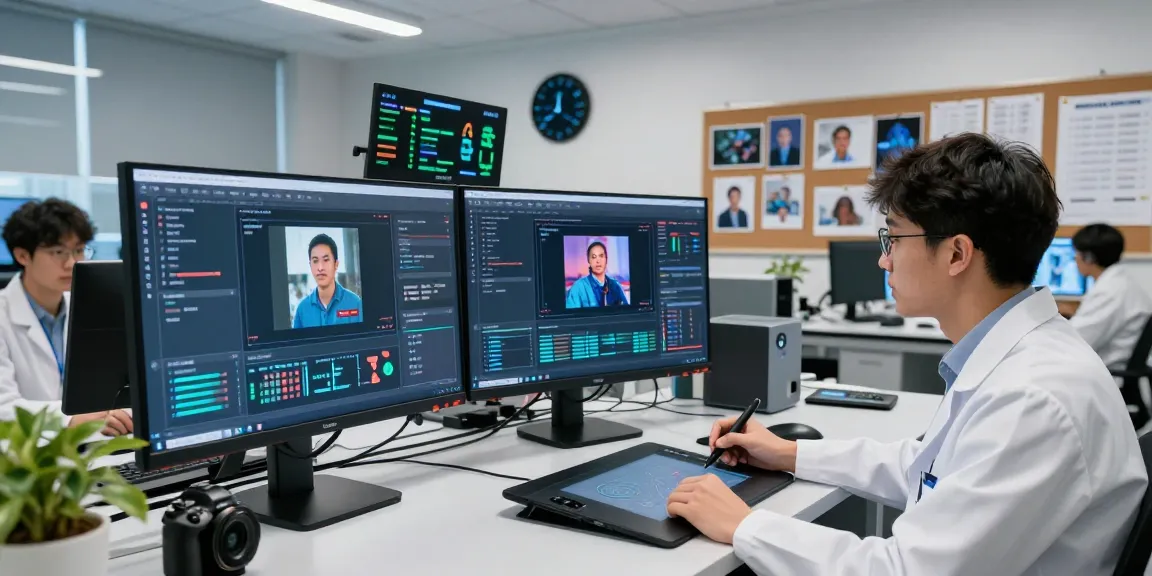
Understanding AI-Generated Image Detection
In our increasingly digital world, the ability to determine the authenticity of images has taken on paramount importance. With the rise of sophisticated AI-generation technologies, distinguishing between human-created and AI-generated images is more challenging—and crucial—than ever. As businesses and individuals seek to verify image authenticity, AI-Generated Image Detection technologies are becoming essential tools in the landscape of digital media integrity and security.
What is AI-Generated Image Detection?
AI-Generated Image Detection refers to the technological processes used to analyze images and determine whether they were created by human artists or generated by artificial intelligence systems. This detection process involves advanced algorithms that assess various characteristics of images, such as pixel patterns, artifacts, and inconsistencies that are often present in AI-generated visuals. This technology has become increasingly critical as tools that create hyper-realistic images, like deepfakes, continue to emerge.
The Technology Behind AI Image Detectors
At the heart of AI-generated image detection are several key technological components, including machine learning, neural networks, and computer vision. These tools work together to train models that can identify telltale signs of AI generation. For example, a neural network might be trained on thousands of images to understand the subtle differences between real photographs and those produced by algorithms like GANs (Generative Adversarial Networks). As the models learn, they become adept at spotting anomalies that human eyes might miss.
Importance of Detection in Today’s Digital Landscape
With misinformation and manipulated media on the rise, AI-generated image detection plays a critical role in maintaining the integrity of information shared online. Detecting altered images helps prevent the spread of false narratives, aiding not only individual users but also businesses that depend on trustworthy media for branding and advertising. As we approach 2026, the demand for reliable image detection tools will only increase, and those who adopt these technologies early on will be better positioned in the marketplace.
Challenges in Detecting AI-Generated Images
Common Misconceptions About Image Authenticity
One of the significant challenges in AI-generated image detection is the widespread misconception that all images shared online are credible. Many users fail to realize that the technology behind AI-generated images has advanced to such a degree that even experts can struggle to discern the difference. Additionally, the lack of awareness about detection tools contributes to the spread of misinformation, as individuals may share manipulated images unknowingly.
Technical Limitations of Current Detection Tools
Despite advancements in AI detection technology, current tools still face limitations. For example, while some detectors may perform well with specific types of images or models, they may struggle with others, particularly as new AI models emerge that have not been accounted for in their training datasets. If a detection tool has only been trained on a limited range of AI-generated content, it may not successfully identify images created by newer models.
User Intent and Detection Accuracy Challenges
User intent also complicates the detection landscape. Some individuals may intentionally use AI-generated images to deceive, while others might do so unknowingly, not recognizing the implications of sharing altered content. This variability in user intent can result in discrepancies in detection accuracy, necessitating ongoing improvements and updates to detection technologies. Addressing these issues will be vital in enhancing the efficacy of AI-generated image detection tools.
Best Practices for Effective Image Detection
Integrating AI Detection Tools into Your Workflow
To maximize the capabilities of AI image detection, businesses and individuals should seamlessly integrate these tools into their existing workflows. For instance, digital marketing teams can utilize AI detection software to verify the authenticity of visual content before it is published. By employing these tools proactively, organizations can safeguard their reputations and maintain consumer trust.
Collaborative Approaches to Image Verification
Collaborative approaches can enhance image verification processes. Stakeholders from various sectors—including media, social platforms, and tech companies—should work together to develop standardized protocols for image assessment. Such collaboration not only improves detection rates but also fosters a collective responsibility toward combating misinformation.
Establishing Standards for AI Image Authenticity
Establishing clear standards for what constitutes an authentic image is essential for effective detection. As industry leaders collaborate on these standards, they will create a framework that guides the development of AI detection technologies and fosters greater accountability among users and creators alike.
Case Studies and Real-World Applications
Success Stories Using AI-Generated Image Detection
Several organizations have successfully integrated AI-generated image detection tools into their operations. For example, a prominent news organization utilized image detection software to screen images submitted by freelance photographers, ensuring that they only published authentic visuals. This not only reinforced their commitment to accuracy but also built trust with their audience.
Industry Impact: Media, Advertising, and Beyond
Industries such as media, advertising, and e-commerce have already begun to see the benefits of AI-generated image detection. By implementing detection technologies, these sectors can protect their brands from the negative impacts of misinformation, ensuring that the images they use in campaigns or reports are genuine.
Case Study: A Brand's Journey to Secure Image Authenticity
Consider the journey of a leading apparel brand that faced backlash after a viral AI-generated image misled consumers about a controversial campaign. By adopting AI-generated image detection tools, the brand was able to quickly identify and remove the fraudulent content, restoring its reputation and demonstrating its commitment to transparency and authenticity.
Future Trends in AI-Generated Image Detection
Emerging Technologies and Innovations for 2026
As we look ahead to 2026, several emerging technologies are poised to revolutionize AI-generated image detection. Innovations in deep learning and computer vision are expected to enhance detection capabilities, allowing tools to recognize even the most sophisticated AI-generated images. With ongoing research, we may also see the development of tools that can analyze video content in addition to still images, further combating misinformation.
Predictions for AI Image Detection’s Role in Digital Security
The role of AI image detection in digital security is expected to grow exponentially as the sophistication of AI-generated content increases. Organizations will increasingly rely on these technologies to protect their information ecosystems, ensuring that all visual content maintains integrity and accuracy.
Expert Insights on the Future Landscape of Image Verification
Experts predict that the future of image verification will involve greater collaboration between technology developers and regulatory bodies. As regulations surrounding digital content evolve, there are opportunities for stricter standards that mandate the use of detection technologies in various industries, ultimately fostering a safer online environment.
What are the leading tools for AI-generated image detection?
Several leading tools for AI-generated image detection include Sightengine, ZeroGPT, and WasItAI. Each of these platforms offers unique features tailored to different detection needs, such as real-time analysis or batch processing of images. Exploring these options can help businesses and individuals select the right tool that meets their specific requirements.
How can businesses benefit from using AI image detection technology?
Businesses can benefit from implementing AI image detection technology by ensuring the authenticity of their visual content, thereby enhancing customer trust and safeguarding their brand reputation. Additionally, using these tools can prevent costly missteps associated with misinformation or fraudulent media.
What are the ethical implications of detecting AI-generated images?
The ethical implications of AI-generated image detection are significant. As detection technologies advance, it is important to consider how they are used, especially in contexts where artistic expression or creativity is at stake. Striking a balance between detection and creative freedom will be crucial for ethical application.
Can AI-generated image detection prevent misinformation?
While AI-generated image detection can significantly reduce the spread of misinformation by identifying fraudulent content, it is not a foolproof solution. Detection technologies must continually evolve to keep pace with emerging AI capabilities, and users must remain vigilant and informed.
How to choose the right AI image detection tool for your needs?
When selecting an AI image detection tool, consider factors such as the type of images you are dealing with, the scale of detection required, and your budget. Testing multiple tools through trials can also help identify which solution aligns best with your needs and workflows.