
Introduction
Hydroelectricity is one of the most important renewable energy sources in New Zealand, providing a stable and sustainable foundation for the national power supply. With abundant rivers, mountainous terrain, and strong environmental commitments, New Zealand is ideally positioned for Hydroelectricity development. However, successful Hydroelectricity projects require far more than natural resources—they demand advanced planning, precise engineering design, and expert technical knowledge. This is where Hydroelectricity planning and design experts play a critical role. At Skye Design Construct NZ, Hydroelectricity Planning and Design Experts Across New Zealand deliver comprehensive solutions that ensure Hydroelectricity projects are efficient, sustainable, and economically viable. Hydroelectricity planning and Hydroelectricity design must work together seamlessly to transform natural water systems into reliable energy infrastructure. This article explores how Hydroelectricity planning and design expertise supports the development of world-class renewable energy projects across New Zealand.
Importance of Hydroelectricity Planning in New Zealand
Hydroelectricity planning is the foundation of every successful Hydroelectricity project. Without proper Hydroelectricity planning, even the most promising Hydroelectricity sites can face inefficiencies, cost overruns, or environmental challenges. In New Zealand, Hydroelectricity planning is especially important due to the country’s diverse geography and sensitive ecosystems.
Hydroelectricity planning involves evaluating water resources, river flow patterns, seasonal variations, and energy demand requirements. Hydroelectricity experts must ensure that each Hydroelectricity project aligns with national energy strategies and environmental regulations. Hydroelectricity planning also determines project feasibility and long-term sustainability.
At Skye Design Construct NZ, Hydroelectricity planning is treated as a strategic process that ensures Hydroelectricity projects are designed for maximum efficiency and minimal environmental impact. Hydroelectricity planning in New Zealand must balance energy production with ecological preservation, making expert guidance essential.
Hydroelectricity Design Principles and Engineering Excellence
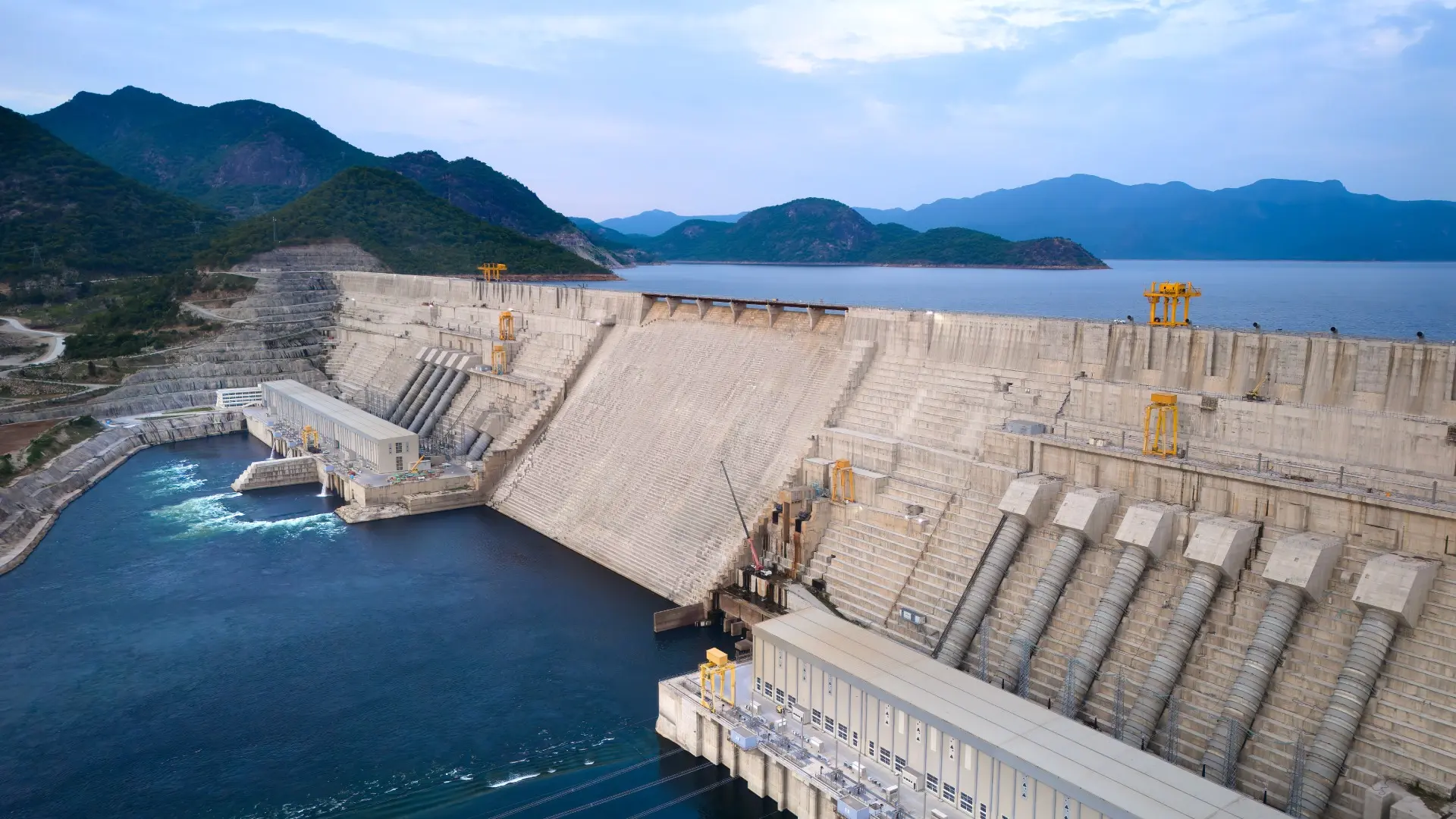
Hydroelectricity design is a highly technical process that transforms Hydroelectricity planning into functional infrastructure. Hydroelectricity design includes dams, turbines, spillways, reservoirs, and electrical systems. Each component must be carefully engineered to ensure optimal Hydroelectricity performance.
Hydroelectricity design experts focus on maximizing energy conversion efficiency while maintaining structural integrity. Hydroelectricity systems must withstand high water pressure, environmental stress, and long-term operational demands. Hydroelectricity design in New Zealand must also account for seismic activity and variable rainfall patterns.
Hydroelectricity planning and Hydroelectricity design are closely interconnected. Effective Hydroelectricity planning ensures that Hydroelectricity design solutions are practical and achievable. Without strong Hydroelectricity design expertise, Hydroelectricity projects cannot achieve long-term reliability.
Role of Hydroelectricity Experts Across New Zealand
Hydroelectricity Planning and Design Experts Across New Zealand play a vital role in supporting national renewable energy goals. Hydroelectricity experts provide technical guidance throughout the entire project lifecycle, from initial concept development to final commissioning.
Hydroelectricity experts evaluate site conditions and determine the most suitable Hydroelectricity design approach. Hydroelectricity planning ensures that energy output targets are realistic and achievable. Hydroelectricity experts also ensure compliance with environmental and engineering standards.
In New Zealand, Hydroelectricity experts must consider regional differences in water availability and terrain. Hydroelectricity planning in mountainous regions differs significantly from Hydroelectricity planning in lowland river systems. Hydroelectricity design must be adapted accordingly to ensure efficiency and safety.
Hydroelectricity Feasibility Studies and Site Analysis
Hydroelectricity feasibility studies are a critical part of Hydroelectricity planning. These studies determine whether a Hydroelectricity project is viable based on environmental, technical, and economic factors. Hydroelectricity feasibility analysis includes hydrological data, geological surveys, and energy output modelling.
Hydroelectricity planning experts assess river flow rates, water storage capacity, and seasonal fluctuations. Hydroelectricity design is then developed based on these findings to ensure optimal performance.
Hydroelectricity site analysis is essential in New Zealand due to the country’s varied topography. Hydroelectricity planning must account for remote locations, access challenges, and environmental sensitivity. Hydroelectricity design solutions are customized based on site-specific conditions.
At Skye Design Construct NZ, Hydroelectricity feasibility studies ensure that Hydroelectricity planning decisions are data-driven and reliable.
Hydroelectricity Engineering Design and Technical Development
Hydroelectricity engineering design is the technical backbone of Hydroelectricity development. Hydroelectricity design experts integrate civil, mechanical, and electrical engineering principles to create efficient energy systems.
Hydroelectricity planning ensures that engineering designs align with project goals and environmental requirements. Hydroelectricity turbines must be selected based on Hydroelectricity flow characteristics to maximize energy production. Hydroelectricity dam structures must be engineered for durability and safety.
Hydroelectricity design in New Zealand must also incorporate environmental protection measures. Hydroelectricity planning ensures that aquatic ecosystems are preserved while maintaining energy output efficiency.
Hydroelectricity engineering expertise is essential for transforming Hydroelectricity planning concepts into operational infrastructure.
Environmental Considerations in Hydroelectricity Planning
Hydroelectricity is a renewable energy source, but it still requires careful environmental management. Hydroelectricity planning must consider ecological impacts such as fish migration, water quality, and habitat preservation.
Hydroelectricity design experts incorporate environmental safeguards into infrastructure development. Hydroelectricity planning includes mitigation strategies such as fish passages, controlled water flow systems, and ecosystem restoration initiatives.
In New Zealand, Hydroelectricity environmental regulations are strict, making Hydroelectricity planning and design expertise essential for compliance. Hydroelectricity projects must demonstrate minimal environmental disruption while maintaining energy efficiency.
Hydroelectricity planning ensures that sustainability is embedded into every stage of project development.
Hydroelectricity Project Coordination and Implementation
Hydroelectricity projects require coordination between multiple disciplines, including engineering, construction, environmental science, and project management. Hydroelectricity planning ensures that all stakeholders are aligned throughout the project lifecycle.
Hydroelectricity design experts work closely with construction teams to ensure accurate implementation of technical specifications. Hydroelectricity planning also includes scheduling, budgeting, and resource management.
Hydroelectricity projects in New Zealand often involve remote and challenging environments, making Hydroelectricity planning essential for logistical success. Hydroelectricity design must be practical and adaptable to on-site conditions.
At Skye Design Construct NZ, Hydroelectricity project coordination ensures seamless integration between planning and execution.
Hydroelectricity Technology and Innovation
Modern Hydroelectricity planning increasingly relies on advanced technology. Hydroelectricity design tools such as digital modelling and simulation software allow experts to predict system performance before construction begins.
Hydroelectricity planning benefits from real-time data analysis, improving accuracy and reducing risk. Hydroelectricity design innovation includes smart monitoring systems, automation, and predictive maintenance technologies.
In New Zealand, Hydroelectricity experts use technology to optimize energy efficiency and reduce environmental impact. Hydroelectricity planning ensures that innovative solutions are effectively integrated into project design.
Hydroelectricity digital tools enhance both planning accuracy and design reliability.
Hydroelectricity Cost Efficiency and Value Optimization
Hydroelectricity planning must also consider financial efficiency. Hydroelectricity design experts work to optimize construction costs while maintaining high performance standards.
Hydroelectricity planning includes cost estimation, resource allocation, and long-term operational forecasting. Hydroelectricity design choices directly influence project affordability and efficiency.
In New Zealand, Hydroelectricity cost optimization is essential for ensuring that renewable energy projects remain economically viable. Hydroelectricity planning ensures that financial risks are minimized.
At Skye Design Construct NZ, Hydroelectricity value engineering ensures maximum return on investment.
Hydroelectricity Lifecycle Planning and Maintenance
Hydroelectricity planning does not end with construction. Hydroelectricity design must also consider long-term maintenance and operational efficiency.
Hydroelectricity planning includes lifecycle analysis to ensure infrastructure remains functional for decades. Hydroelectricity design must support easy maintenance and system upgrades.
Hydroelectricity experts in New Zealand ensure that long-term performance is integrated into initial planning stages. Hydroelectricity systems require ongoing monitoring and optimization.
Hydroelectricity lifecycle planning ensures sustainability beyond initial project completion.
Conclusion
Hydroelectricity Planning and Design Experts Across New Zealand play a vital role in shaping the country’s renewable energy future. Hydroelectricity requires precise planning, advanced engineering design, environmental responsibility, and long-term strategic thinking to succeed. By integrating Hydroelectricity planning with innovative Hydroelectricity design, experts ensure that projects are efficient, sustainable, and economically viable. At Skye Design Construct NZ, Hydroelectricity expertise supports every stage of development, from feasibility studies to lifecycle management, ensuring that Hydroelectricity continues to provide reliable and clean energy across New Zealand for generations to come.