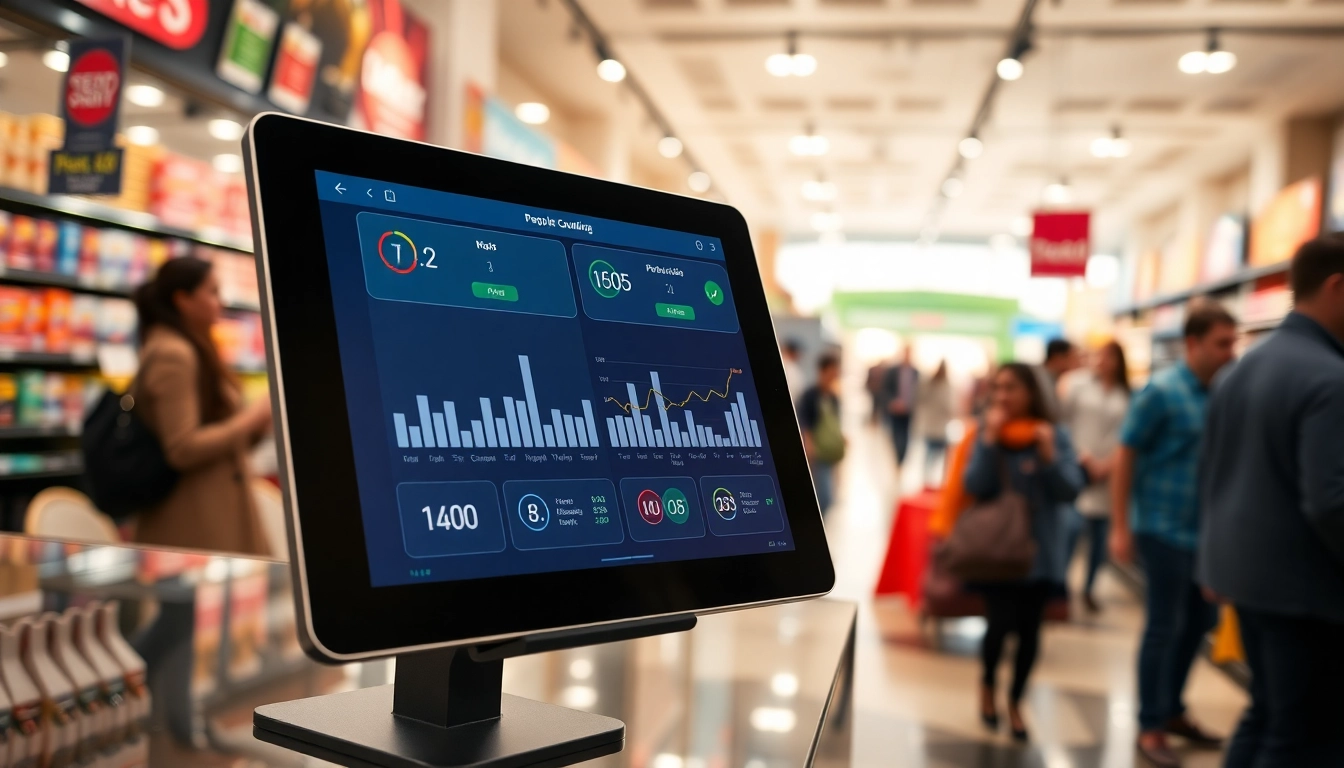
Understanding People Counting Software
In an age where data-driven decisions dictate success in various sectors, the role of people counting software has become increasingly significant. This software serves as a vital tool for organizations striving to enhance their operational efficiency, improve customer experiences, and maximize resource allocation. By systematically tracking foot traffic and understanding occupancy levels, businesses can make informed decisions that directly influence their profitability.
What is People Counting Software?
People counting software is a technology that utilizes various sensors and algorithms to count the number of individuals entering or exiting a specific area. Commonly integrated into retail, hospitality, transportation, and public facilities, this software not only tracks the flow of people but also provides valuable analytics that inform operational and marketing strategies. Through real-time data collection, organizations gain insights into customer behaviors, peak times, and overall engagement.
Key Features of People Counting Software
- Real-time Monitoring: Provides instant updates on foot traffic, enabling rapid response to changes in visitor patterns.
- Data Visualization: Offers visual representations of visitor trends and patterns through graphs and dashboards, simplifying data interpretation.
- Integration Capabilities: Can be seamlessly incorporated with other systems, such as POS and CRM platforms, for comprehensive data management.
- Historical Data Analysis: Stores trends over time, allowing businesses to analyze performance and forecast future behavior.
- Alert Systems: Notifies administrators about occupancy limits, ensuring compliance with safety protocols.
Benefits of Implementing People Counting Software
Implementing effective people counting software brings numerous advantages to businesses, including:
- Operational Efficiency: By understanding foot traffic, managers can allocate staff more effectively, leading to improved customer service and reduced wait times.
- Enhanced Marketing Strategies: Analysis of peak traffic patterns helps businesses target marketing efforts more effectively, maximizing the impact of promotions.
- Improved Customer Experience: By monitoring how customers interact with space and services, organizations can tweak their environments to foster engagement, ultimately boosting satisfaction.
- Cost Savings: Efficient staff allocation and resource management derived from data-driven insights can lead to significant cost reductions.
Types of People Counting Solutions
Video-Based People Counting
Video-based people counting software utilizes camera systems equipped with advanced image processing capabilities to detect and count individuals. This technology analyzes video feeds and employs algorithms to identify human shapes, differentiating them from non-human objects. The benefits of video analytics include:
- High Accuracy: Advanced video systems can achieve accuracy levels of over 95%, even in complex environments.
- Versatility: Suitable for various locations, including retail stores, transportation hubs, and event venues.
- Comprehensive Analytics: In addition to counting, these systems can provide insights into customer behaviors, such as dwell times and movement patterns.
Infrared Sensor Technology
Infrared sensors are another viable option for people counting software. These devices detect the heat emitted by human bodies as they pass a designated point. The key features of infrared counting include:
- Cost-Effective: Infrared systems tend to be less expensive compared to video systems while still providing reasonable accuracy.
- Simple Installation: These sensors are easy to install and require minimal infrastructure changes.
- Reliability in Various Conditions: Infrared sensors can effectively operate in diverse lighting conditions, making them suitable for both indoor and outdoor use.
Wi-Fi and Mobile Device Counting
This innovative approach leverages existing Wi-Fi networks or mobile device signals to estimate foot traffic. By analyzing the unique MAC addresses from smartphones and devices, businesses can track people entering and exiting their spaces. The benefits include:
- Non-Intrusive: No physical devices are needed other than the existing Wi-Fi systems, ensuring ease of implementation.
- Visitor Insights: Organizations can gather data on returning customers and unique visitors, aiding in customer segmentation.
- Historical Data Trends: The system can track foot traffic over extended periods, offering insights into habitual behaviors.
Using People Counting Software Effectively
Integrating with Existing Systems
To maximize the benefits of people counting software, seamless integration with existing management systems is crucial. Organizations should ensure the following:
- Compatibility: The chosen people counting solution should integrate smoothly with point-of-sale and customer relationship management systems.
- Real-Time Data Exchange: Effective communication between systems enables timely decision-making.
- Centralized Data Management: This ensures all data is accessible from one platform, simplifying analysis and reporting.
Best Practices for Data Collection
Optimizing data collection involves adhering to specific best practices:
- Regular Calibration: Periodically calibrate sensors to ensure accurate data counts and compensate for environmental changes.
- Strategic Sensor Placement: Installing sensors at optimal locations, such as entrances and high-traffic zones, enhances the accuracy of people counting.
- Consistent Monitoring: Continuously monitor the data to identify discrepancies and adjust strategies as needed.
Interpreting Foot Traffic Data
Data interpretation is key to transforming raw numbers into actionable insights. Essential steps include:
- Identifying Patterns: Analyze data over time to uncover trends in foot traffic and adjust business strategies accordingly.
- Evaluating ROI: Use traffic data to assess the effectiveness of marketing campaigns and operational changes.
- Making Data-Driven Decisions: Base decisions on comprehensive analysis rather than assumptions, fostering a culture of data-driven growth.
Challenges and Risks in People Counting
Pitfalls of Inaccurate Data
Inaccurate data poses significant risks, including inefficient resource allocation and misguided marketing efforts. Organizations should take the following steps to mitigate these pitfalls:
- Continuous Calibration: Implement regular calibration of counting devices to maintain accuracy.
- Cross-Validation: Cross-check foot traffic data with sales figures or other performance metrics to identify discrepancies.
Dealing with Privacy Concerns
As with any data collection effort, privacy concerns must be adequately addressed. Strategies include:
- Transparency: Communicate clearly about data collection practices and their purpose to customers.
- Compliance with Regulations: Ensure data collection adheres to local privacy laws and standards.
Overcoming Technical Limitations
Technical challenges can hinder the effectiveness of people counting solutions. To address these:
- Regular Software Updates: Ensure the software is updated to incorporate the latest features and improvements.
- Technical Support: Invest in ongoing technical support to troubleshoot issues promptly.
Future Trends in People Counting Software
The Role of AI in People Counting
Artificial Intelligence is reshaping the way people counting systems function. Emerging trends include:
- Enhanced Accuracy: AI algorithms are refining counting methods, significantly improving accuracy rates.
- Predictive Analytics: AI can analyze historical data to forecast future trends, aiding proactive decision-making.
Expanding Application Across Industries
The application of people counting software is broadening across various sectors, including:
- Retail: Optimizing store layouts based on customer flow.
- Entertainment Venues: Managing crowds and improving safety.
- Transportation: Enhancing scheduling and resource allocation based on passenger flow.
Enhancements in Real-Time Analytics
The demand for real-time analytics is on the rise as businesses seek to react immediately to data insights. Features such as:
- Instant Notifications: Systems that alert staff about occupancy levels in real time enhance safety.
- User-Friendly Dashboards: Simplified interfaces facilitate easier data interpretation and decision-making.
Frequently Asked Questions
What device is used to count people?
A people counter is an electronic device that measures the number of individuals traversing a particular passage or entrance.
What is the free app to count people?
Tally Count is a free online tool for tally counting that can be used in various counting scenarios such as events and inventory management.
What is the AI tool for counting people?
Advanced AI tools in people counting, like Ultima AI, set global precision standards, boasting accuracy rates up to 99.9%.
How accurate are people counters?
High-quality systems can achieve over 98% accuracy. Ensure manufacturers provide clear data on accuracy under various conditions.
Can people counting software help with marketing?
Yes, it provides insights on customer engagement and foot traffic, enabling targeted marketing strategies that increase conversion rates.