
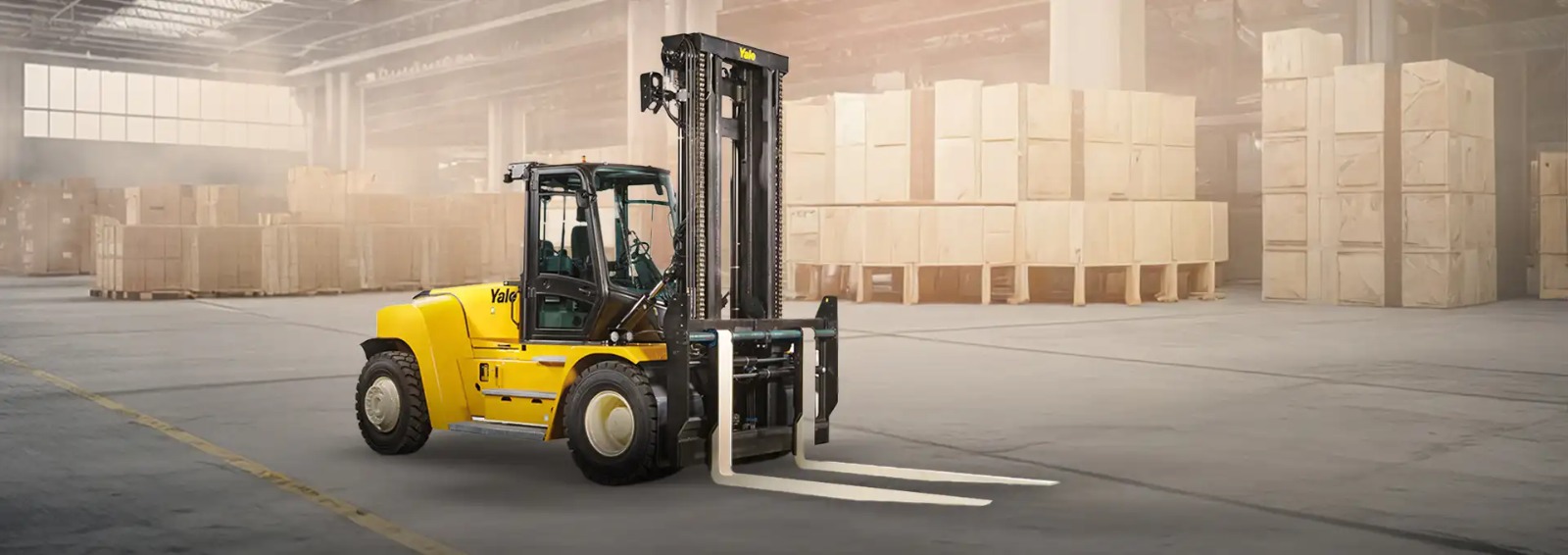
The Role of Equipment Transportation in Modern Industries
Modern industries rely heavily on heavy machinery and specialized tools to maintain productivity, efficiency, and operational stability. Whether it is construction, manufacturing, or infrastructure development, the movement of large machines plays a critical role in project success. Professional equipment transportation ensures that valuable machinery is delivered safely, securely, and without disruption to ongoing operations.
As industrial operations expand, the complexity of moving heavy assets increases. Equipment transportation is no longer a simple logistics task but a highly coordinated process that requires planning, precision, and expertise. Companies that depend on large machinery understand that improper handling can lead to costly damage and delays. This makes structured equipment transportation essential for maintaining business continuity and protecting investments.
Reliable transport solutions ensure that machinery reaches its destination without stress, vibration damage, or operational risk. With increasing demand for timely delivery, equipment transportation has become a vital component of modern supply chain systems.
Ensuring Safety Through Professional Handling
Safety remains the most important aspect of moving heavy machinery. Improper lifting, loading, or transit conditions can lead to severe equipment damage or workplace accidents. Professional equipment transportation focuses on minimizing these risks through careful handling and specialized procedures.
Experienced operators understand load balance, securing techniques, and route safety requirements. These factors are critical for ensuring that machinery remains stable during transit. Equipment transportation requires the use of advanced securing systems and properly designed vehicles that can handle heavy loads without compromising safety.
When machinery is transported under expert supervision, the risk of mechanical failure or external damage is significantly reduced. This structured approach ensures that every stage of equipment transportation is managed with precision and care.
Efficiency and Operational Benefits of Equipment Transportation
Efficiency plays a major role in industrial logistics. Delays in machinery delivery can disrupt entire project timelines and lead to financial losses. Professional equipment transportation helps businesses maintain smooth operations by ensuring timely and organized delivery.
Efficient transport planning reduces waiting time, optimizes routes, and improves overall productivity. Companies that rely on consistent equipment transportation benefit from fewer interruptions and improved workflow coordination. This allows teams to focus on core tasks rather than logistical challenges.
Another major advantage is cost efficiency. While professional services may seem like an added expense, they actually reduce long-term costs by preventing damage and avoiding emergency repairs. Well-managed equipment transportation ensures that machinery remains in excellent condition throughout its journey.
Planning and Coordination in Equipment Transportation
Successful machinery logistics depends heavily on detailed planning and coordination. Every stage of equipment transportation must be carefully designed to ensure smooth execution. This includes route selection, loading strategies, and delivery scheduling.
Before transport begins, specialists evaluate machinery size, weight, and sensitivity. This helps determine the best method for safe movement. Proper planning ensures that equipment transportation avoids obstacles such as restricted routes or unsafe road conditions.
Coordination between teams is also essential. Drivers, loaders, and logistics managers must work together to ensure seamless execution. Real-time communication allows quick adjustments when needed, ensuring that equipment transportation remains efficient and reliable under all conditions.
Technology Enhancing Equipment Transportation
Modern logistics has evolved significantly with the introduction of advanced technology. GPS tracking, digital monitoring systems, and automated route optimization have greatly improved the accuracy and reliability of equipment transportation.
Technology allows real-time tracking of machinery, giving businesses full visibility over the transport process. This transparency builds trust and ensures better control over logistics operations. Equipment transportation also benefits from hydraulic lifting systems and specialized transport vehicles designed for heavy loads.
Skilled professionals use these technologies to improve safety and efficiency. The combination of human expertise and advanced tools ensures that equipment transportation meets modern industry standards and expectations.
Reducing Risk and Protecting Valuable Machinery
Heavy machinery represents a significant investment for any business. Protecting this investment during transport is essential for long-term operational success. Professional equipment transportation reduces risks by using proper handling techniques and secure transport systems.
Vibration control, weight distribution, and protective loading methods all contribute to minimizing damage. Equipment transportation services are designed to ensure that machinery remains stable even during long-distance travel or challenging road conditions.
By reducing risks, businesses can avoid costly repairs and downtime. This makes equipment transportation not just a logistical service but a strategic investment in asset protection.
Reliability and Long-Term Business Value
Consistency and reliability are essential for industrial success. Businesses depend on timely delivery of machinery to maintain project schedules and meet client expectations. Professional equipment transportation provides this reliability through structured systems and experienced teams.
Over time, dependable logistics contributes to improved business performance and stronger operational stability. Companies that invest in quality equipment transportation benefit from reduced delays, improved productivity, and enhanced reputation.
Reliable transport services also strengthen client trust. When machinery is delivered safely and on time, it reflects professionalism and commitment to quality service. This builds long-term partnerships and supports business growth.
Conclusion
Professional equipment transportation is essential for safe handling and efficient delivery of heavy machinery. It combines careful planning, advanced technology, and expert coordination to ensure smooth logistics operations. From improving safety to reducing costs and enhancing reliability, equipment transportation plays a vital role in modern industries.
Businesses that prioritize structured transport solutions benefit from improved performance, reduced risks, and long-term operational success. As industrial demands continue to grow, the importance of reliable equipment transportation will only increase, making it a key factor in achieving sustainable business efficiency.
Frequently Asked Questions
What is equipment transportation?
Equipment transportation refers to the professional process of moving heavy machinery and industrial equipment safely from one location to another using specialized logistics methods.
Why is equipment transportation important for businesses?
It ensures safe delivery, reduces operational delays, and protects valuable machinery from damage during transit, helping businesses maintain productivity.
How does equipment transportation improve safety?
It uses secure loading techniques, specialized vehicles, and trained professionals to minimize risks associated with moving heavy machinery.
Can equipment transportation reduce costs?
Yes, it prevents damage, reduces downtime, and improves efficiency, which helps lower overall operational and repair expenses.
What makes professional equipment transportation reliable?
Reliability comes from expert planning, advanced technology, skilled handling, and structured execution that ensure safe and timely delivery of machinery.