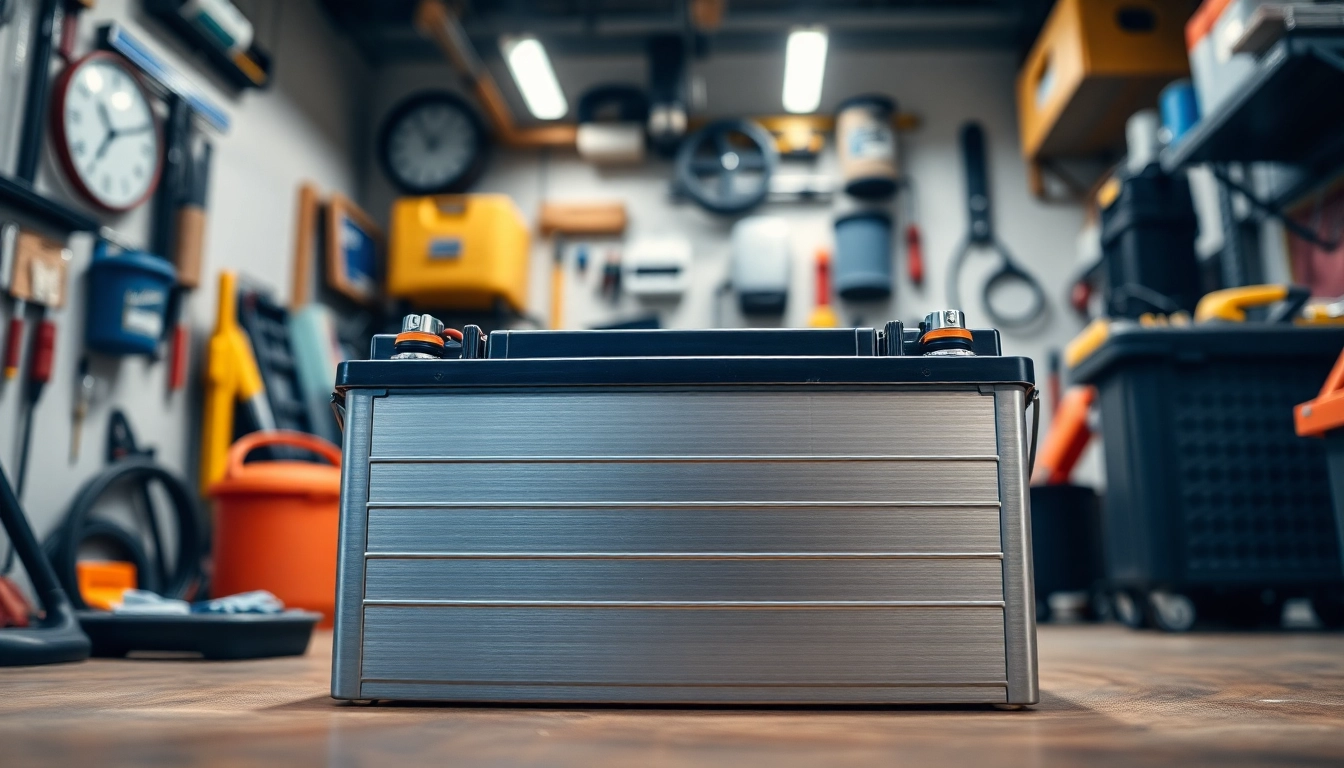
Understanding Lithium RV Batteries
What are Lithium RV Batteries?
Lithium RV batteries are advanced energy storage solutions designed specifically for recreational vehicles (RVs). Unlike traditional lead-acid batteries, lithium batteries utilize lithium-ion technology, which allows for higher energy density, longer cycle life, and better efficiency. They are compact and lightweight, making them ideal for applications where space and weight are critical factors. Lithium RV batteries are increasingly popular among RV enthusiasts due to their superior performance and reliability.
How do Lithium RV Batteries Work?
Lithium RV batteries function through a chemical reaction between lithium ions and electrolyte solutions. When the battery discharges, lithium ions move from the anode to the cathode, releasing energy that powers the RV’s electrical systems. This process is reversible; during charging, the lithium ions move back to the anode from the cathode, storing energy for later use. This efficient energy transfer results in less energy wasted in comparison to conventional battery types.
Comparison with Other Battery Types
When comparing Vatrer Power lithium RV batteries to traditional lead-acid batteries and other options, several factors come into play:
- Weight: Lithium batteries are considerably lighter than lead-acid batteries, which is crucial for RVs where weight distribution can affect handling.
- Capacity: Lithium batteries can typically discharge more deeply without damage, allowing for higher usable capacity, while lead-acid batteries lose efficiency under heavy load.
- Life Span: The lifespan of lithium batteries often exceeds 10 years or more, while lead-acid batteries generally last 3 to 5 years.
- Charging Speed: Lithium batteries charge more quickly, allowing for shorter downtime during the recharging process.
Advantages of Using Lithium RV Batteries
Longer Lifespan and Durability
One of the standout features of 12V 300Ah Lithium Battery is their remarkable lifespan. Most lithium batteries can endure 2000 to 5000 cycles, significantly outlasting conventional batteries, which may only achieve upwards of 500 cycles. This longevity can translate to considerable savings over time when considering replacement and maintenance costs. Furthermore, lithium batteries are more resilient to vibration, temperature extremes, and weather conditions, enhancing their reliability in various environments.
Enhanced Performance in Various Conditions
Lithium RV batteries maintain their performance in extreme temperatures — a benefit not typically seen with lead-acid batteries, which can fail to perform in cold weather or can be damaged by excessive heat. Their chemistry allows them to work efficiently in diverse conditions, making them well-suited for adventurers and full-time RVers alike.
Eco-Friendly Power Solutions
Transitioning to lithium RV batteries also brings environmental benefits. Lithium batteries offer a lower carbon footprint than lead-acid options, as they are rechargeable, thus reducing the demand for raw materials over time. Additionally, lithium batteries are recyclable, with increasing efforts in the industry to promote sustainable disposal and recycling methods.
How to Choose the Right Lithium RV Battery
Capacity and Power Needs
Assessing your power needs is critical when selecting a lithium RV battery. Determine the total watt-hours required by your RV appliances and systems, including lighting, cooling, heating, and additional electronics such as a refrigerator or entertainment systems. Evaluate your average consumption to ensure that your chosen battery can meet those needs effectively.
Size and Weight Considerations
While lithium batteries are lighter than traditional alternatives, it's essential to select a size that fits within your RV’s available space without compromising weight distribution. Measure the designated area for your battery installation to confirm that the chosen battery will fit securely in its designated space.
Features to Look For
When selecting a lithium RV battery, consider essential features such as:
- Battery Management System (BMS): This safeguards the battery from overcharging, over-discharging, and overheating, ensuring safe operation.
- Built-in Bluetooth: Some modern batteries offer Bluetooth monitoring, allowing users to track performance and capacity from a smartphone.
- Warranty: A robust warranty can provide peace of mind, indicating the manufacturer's confidence in their product.
Installation and Maintenance of Lithium RV Batteries
Basic Installation Steps
Installing a lithium RV battery involves several straightforward steps, though it is crucial to follow safety guidelines strictly:
- Preparation: Gather necessary tools and equipment, including a socket set, battery cables, and safety gear.
- Remove Old Battery: Disconnect the lead-acid battery, ensuring the RV's electrical system is powered down during the process.
- Install Lithium Battery: Place the lithium battery in the designated compartment, connecting it securely and ensuring proper polarity.
- Connect Battery Management System: Ensure the BMS is correctly connected to monitor and protect the battery’s functionality.
Maintenance Best Practices
Maintaining lithium RV batteries is relatively low-maintenance compared to traditional batteries. However, regular checks on connections, terminals, and charging systems can prolong battery life. It's advisable to clean terminal connections periodically to avoid corrosion and ensure optimal connection quality.
Troubleshooting Common Issues
Identifying issues with lithium batteries can often be straightforward. Common symptoms include:
- Reduced Capacity: This might indicate age or failure of specific cells; monitoring discharge cycles and replacing affected parts may be necessary.
- Heating During Use: Excessive heat can signify a faulty BMS or incorrect charging; immediate inspection is recommended.
- Inconsistent Output: This may arise from poor cable connections or an ineffective charging system; all connections should be checked for tightening and corrosion.
Frequently Asked Questions about Lithium RV Batteries
Are lithium RV batteries worth the investment?
Yes, for frequent RV users or those who boondock, lithium batteries can be more cost-effective over time due to their longer lifespan and lower maintenance costs.
What can a 100Ah lithium RV battery power?
A 100Ah lithium battery can typically power a 12V fridge for 2-3.5 days, depending on the fridge's power draw and environmental conditions.
How long do lithium RV batteries last?
Lithium RV batteries can last between 10 to 15 years, depending on usage and maintenance practices, significantly outpacing traditional lead-acid options.
Do I need a special charger for lithium RV batteries?
Yes, lithium batteries require specific chargers designed for their chemistry to ensure safe charging and avoid damage from incompatible charging practices.
Can I use lithium batteries in extreme temperatures?
Yes, lithium batteries can operate efficiently in extreme temperatures, maintaining performance in both cold and hot environments better than lead-acid batteries.