Introduction to DMSO
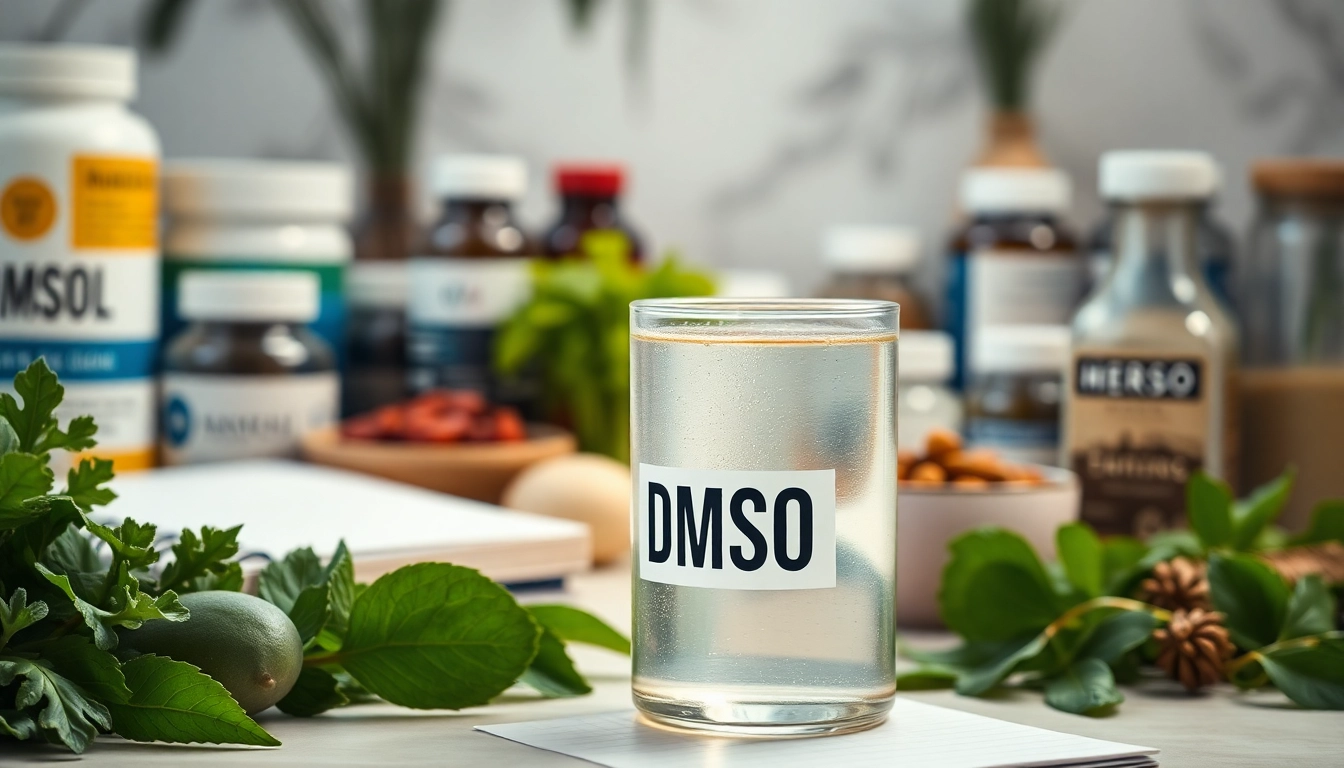
Dimethyl sulfoxide (DMSO) is a versatile compound that has garnered significant attention for its potential therapeutic effects. Originally developed as a solvent in the 19th century, DMSO has evolved to become a subject of extensive research within the medical and health communities. Often cited for its remarkable ability to penetrate biological membranes, it serves not only as a vehicle for drug delivery but also exhibits numerous health benefits. In this article, we will explore the benefits of drinking dmso, safety considerations, and practical usage tips, providing a well-rounded perspective on this intriguing substance.
What is DMSO?
DMSO is an organosulfur compound characterized by its ability to dissolve both polar and nonpolar compounds. This unique property makes it a superb solvent in various applications, including pharmaceuticals. When consumed, DMSO is metabolized and can potentially bring about multiple health benefits, ranging from pain relief to anti-inflammatory effects.
History and Origins of DMSO
The origins of DMSO trace back to its discovery as a byproduct of the wood pulp industry in the 19th century. Initially used for industrial purposes, its medical potential was recognized in the 1960s when researchers discovered its effectiveness in alleviating pain and inflammation. Although its popularity surged during this time, regulatory concerns and mixed results in clinical studies have led to skepticism. Nevertheless, ongoing research continues to unveil its promising health benefits.
How DMSO is Made and Used
Commercially, DMSO is produced from the distillation of lignin, a natural polymer found in plant cell walls. Once synthesized, DMSO can be found in various formulations, such as topical creams and oral liquids. While it has FDA approval for specific medical conditions, such as interstitial cystitis, its off-label uses have gained traction among alternative health advocates.
Health Benefits of Drinking DMSO
Understanding the potential health benefits of DMSO when ingested can provide individuals with alternative options for managing various conditions. Below, we delve into the specific advantages associated with consuming DMSO.
Pain Relief and Inflammation Reduction
One of the most celebrated benefits of drinking DMSO is its ability to reduce pain and inflammation. Research indicates that DMSO exhibits significant analgesic properties, making it a popular choice for individuals suffering from chronic pain conditions, such as arthritis and fibromyalgia. Studies suggest that its anti-inflammatory features arise from the way DMSO inhibits the production of inflammatory mediators, thereby alleviating discomfort and improving quality of life.
This quality has spawned myriad anecdotal accounts from users who have experienced reduced discomfort in their daily activities. While these reports are promising, it is essential to recognize that further rigorous clinical testing is warranted to substantiate these claims.
Potential Immunomodulatory Effects
DMSO has also been studied for its immunomodulatory effects, which involve modifying the immune response without suppressing it. Preliminary studies suggest that DMSO might enhance immune function, making it a candidate for supporting overall health, particularly in individuals with autoimmune disorders. While the research is still in its infancy, the potential for DMSO to play a role in immune health is an exciting area of exploration.
Role in Exercise Recovery
A growing number of athletes and fitness enthusiasts are turning to DMSO as a supplement for enhancing recovery post-exercise. Due to its properties that may help reduce pain and inflammation, DMSO could potentially be beneficial for shortening recovery times and improving overall athletic performance. Some studies indicate that using DMSO topically can lead to reduced muscle soreness and facilitate faster recovery after intense training sessions. More research is needed to fully understand how its ingestion influences exercise recovery.
Safety Considerations and Risks
While the benefits of drinking DMSO seem compelling, safety considerations must not be overlooked. Understanding the potential risks associated with its use is crucial for informed decision-making.
FDA Regulations and Approval
In the United States, DMSO is approved by the FDA for treating interstitial cystitis, a painful bladder condition. However, off-label use remains a gray area, as the safety and efficacy of DMSO for other health conditions have not been extensively validated by regulatory bodies. Consumers are cautioned against self-medicating without professional guidance.
Possible Side Effects of DMSO
Although many people tolerate DMSO well, it is essential to acknowledge possible side effects, which may include skin irritation, nausea, a garlic-like taste, and headache. More severe complications could arise if consumed improperly or in excessive quantities. Patients are advised to consult a healthcare provider before considering DMSO for therapeutic purposes.
Consulting Healthcare Professionals
Before incorporating DMSO into any health regimen, individuals are strongly encouraged to consult with healthcare professionals. This is especially important for people with preexisting health conditions or those taking other medications, as potential interactions could compromise therapy or amplify side effects.
How to Incorporate DMSO into Your Routine
For those interested in exploring the potential of DMSO, understanding how to incorporate it effectively into daily life is vital. Here are some practical tips.
Recommended Dosage and Usage
When considering DMSO, dosage recommendations typically range from 1-10 mL per day, depending on the intended use. It is advised to start with a lower dosage and gradually increase it while monitoring for any adverse reactions. Administering DMSO with other fluids, such as water or juice, may improve its taste and tolerability.
Mixing DMSO with Other Substances
DMSO can be mixed with other substances to enhance its efficacy. However, caution must be exercised in combining it with various remedies, as DMSO's absorption properties can also transport harmful substances through the skin. Before mixing DMSO with any ingredient, consultation with a healthcare professional is imperative.
Tracking Health Improvements
When incorporating DMSO into a health regimen, it is wise to keep a journal of health changes, symptoms, and overall wellness. Documenting how you feel over time allows for informed discussions with your healthcare provider, enabling adjustments to optimize its benefits while minimizing risks.
Frequently Asked Questions (FAQs)
What does DMSO do when taken internally?
Orally ingested DMSO may enhance drug absorption and reduce inflammation, but comprehensive studies are necessary to confirm these effects.
Can DMSO be used for cancer treatment?
While some research indicates DMSO may alleviate certain symptoms, it is not FDA-approved for cancer therapy and should not be relied upon as a primary treatment.
How should DMSO be mixed for consumption?
DMSO should be diluted with water or juice to make it more palatable; consultation with a healthcare provider is recommended before consumption.
Is DMSO safe for long-term use?
Long-term use of DMSO has not been thoroughly studied; it is crucial to consult with a healthcare provider for personalized assessments.
Are there risks associated with DMSO?
Potential side effects can include skin irritation and unusual taste. Individual tolerance levels can vary, making professional guidance essential.