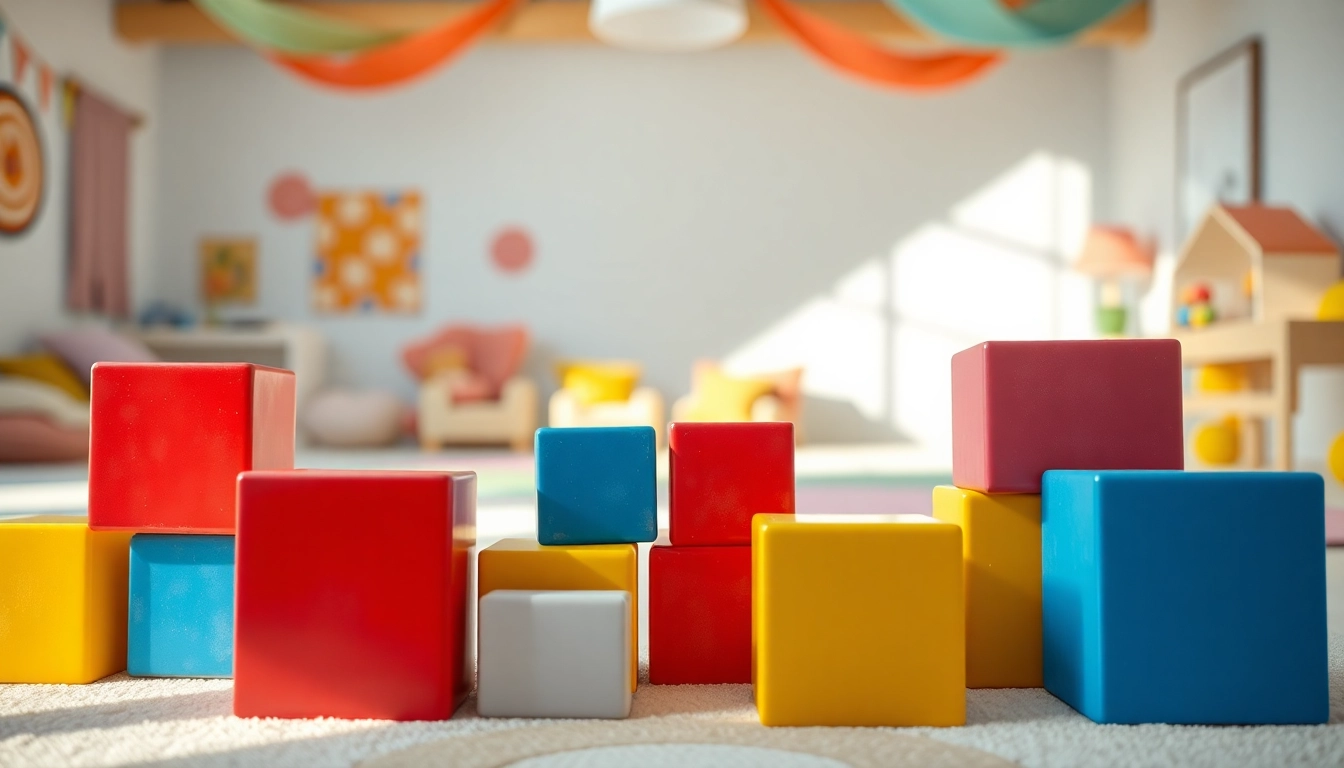
Understanding the Appeal of Giant Building Blocks
Giant building blocks have become increasingly popular among children, serving as engaging tools in their playful exploration and creativity. Their large size and varied shapes provide endless opportunities for imagination, fostering both social interaction and independent play. By encouraging the construction of diverse structures, these blocks allow children to express ideas and develop critical thinking skills through physical manipulation of their environment. If you want to explore the myriad of ways these oversized toys can enhance play, discover more about how they contribute to childhood development.
The Importance of Play in Child Development
Play is essential for children's cognitive, social, and emotional development. It helps form the foundation for skills such as problem-solving, emotional regulation, and the ability to work collaboratively with others. Engaging with giant building blocks specifically enhances these skills. As children design and build with these blocks, they engage in imaginative play that stimulates brain development and nurtures creativity. This play interacts with various developmental domains, making it a vital aspect of childhood.
Different Types of Giant Building Blocks
Giant building blocks come in various types, each designed to enhance different aspects of play. Some popular varieties include:
- Foam Blocks: Soft and lightweight, ideal for younger children who are still mastering motor skills.
- Wooden Blocks: Durable and sturdy, often used by older children who can handle more complex structures.
- Plastic Blocks: Versatile and colorful, these blocks often feature interlocking designs for added creativity.
- Magnetic Blocks: These offer an exciting building experience with elements that attract and repel, allowing for unique structures.
The variety in types ensures that there are options suitable for different ages and developmental stages, maximizing engagement and learning potential.
How Building Blocks Encourage Creativity
Creativity is essential for children's development, allowing them to express themselves and solve problems innovatively. Building blocks serve as a medium through which ideas can turn into tangible creations. Each child has their approach to building, reflecting their unique thought processes. Furthermore, these blocks encourage exploration; as children stack, connect, and create, they learn principles of engineering and design, which contribute to creative thinking. This freedom and flexibility in play promote a sense of ownership, further enhancing creative expression.
Setting Up a Play Space
Choosing the Right Location
The location of a play space can significantly influence children's engagement and safety. Consider areas with ample room for movement and creativity, such as living rooms, playrooms, or outdoor backyards. It's crucial to ensure that the space is free from hazards, allowing children to play freely without the risk of injury. Outdoor settings can also provide an exciting dynamic, especially when using larger blocks that allow for expansive building projects. The space should accommodate the size and types of blocks used, providing open areas for building and imaginative play.
Creating an Inviting Environment
Establishing an inviting environment involves more than just choosing the right location. It is vital to provide adequate lighting and fluid accessibility to various props and tools, enhancing the overall play experience. Decorate the space with vibrant colors, inspiring artwork, or themed elements that resonate with children's interests. Comfortable seating or play mats can make the area more welcoming and conducive to prolonged play sessions. By fostering an inviting atmosphere, children feel encouraged to immerse themselves in creative play.
Safety Considerations for Indoor Play
When setting up a play space for giant building blocks, safety should be the foremost priority. Here are some essential safety considerations:
- Ensure blocks are made from non-toxic materials, especially for younger children who may put them in their mouths.
- The play area should have soft flooring, like rugs or foam mats, to cushion any falls.
- Regularly check for sharp edges or damages on the blocks to prevent injuries.
- Set rules for safe play, ensuring that children understand the importance of sharing space and being attentive.
Implementing these safety measures can provide a secure environment for youths to explore their creativity confidently.
Incorporating Educational Elements
Learning Shapes and Colors through Play
Giant building blocks can be powerful educational tools. Children learn about shapes and colors naturally as they play, experimenting with various combinations of blocks. By encouraging children to identify and name different shapes or colors while they build, parents and educators can help them enhance their vocabulary and cognitive skills. Interactive activities can make color and shape identification fun, such as sorting blocks by color or having children replicate specific shapes using their building blocks.
Building Blocks as Tools for Problem-Solving
Construction with giant building blocks fosters critical thinking and problem-solving skills. As children navigate challenges in building structures—balancing blocks, selecting suitable shapes, or modifying designs—they learn to apply logical reasoning and refine their decision-making skills. Problem-solving also encourages collaboration, as children often work together to tackle construction challenges, facilitating effective communication and teamwork.
Engaging with STEM Concepts
Building blocks serve as an engaging introduction to STEM (Science, Technology, Engineering, and Mathematics) concepts. While constructing with blocks, children can begin to understand basic engineering principles, geometry, and spatial awareness. Incorporating simple tasks, such as creating bridges or towers with specific weight limits, can provide children with hands-on experiences that spark their interest in STEM fields. These concepts can later be elaborated on with structured activities as they become more proficient in their understanding.
Activities to Enhance Playtime
Collaborative Building Challenges
Organizing collaborative building challenges can enhance playtime by promoting teamwork and healthy competition. Set up small groups and provide each with a theme or a specific structure to build within a designated time frame. This encourages discussion, planning, and cooperative problem-solving among children. At the end of the challenge, showcase each group's creations, allowing for praise and encouraging constructive feedback, thus fostering a sense of community and inclusivity.
Incorporating Themed Playsets
Themed playsets can elevate the building experience by integrating storylines and character roles into block play. Consider creating themes such as "a space station," "a medieval castle," or "a pirate ship." Providing costumes or props can further immerse the children in the narrative, enhancing imaginative play. By linking construction with storytelling, children develop narrative skills and vocabulary, reinforcing language development alongside physical play.
Creative Storytelling with Blocks
Encourage children to build scenes from their favorite stories using giant building blocks. This activity not only enhances their storytelling capabilities but also allows them to bring characters and narratives to life physically. Children can reconstruct settings, engage in role-play with block characters, and even collaborate on new storylines. This integration of storytelling with building enhances emotional and social development, as it encourages sharing and communication.
Maintaining and Storing Your Building Blocks
Cleaning and Care Tips
Proper maintenance of giant building blocks ensures they remain in good condition and safe for frequent use. Regular cleaning is crucial, especially in environments where blocks are used by multiple children. Use a mixture of warm water and mild soap to wipe down surfaces, particularly for plastic blocks. Check for wear and tear to ensure stability and safety. For wooden blocks, a gentle cleaning solution should suffice. Proper care extends the life of the blocks and maintains a hygienic play area.
Efficient Storage Solutions
Storage is vital for managing space and ensuring that blocks are easily accessible when needed. Consider the following storage solutions:
- Baskets and Bins: Use clear bins or colorful baskets to sort blocks by type, ensuring children can find and return them easily.
- Wall Shelves: Designate wall-mounted shelves to store blocks for a neat appearance and easy access.
- Rolling Carts: If space is limited, utilize a rolling cart to store blocks, which can be easily moved around the play area.
These strategic storage solutions promote organization and can encourage children to actively participate in clean-up routines, fostering responsibility.
Maximizing Playtime with Accessibility
Accessibility is key to maximizing playtime. Ensure that building blocks are stored at a height that allows children to reach them independently, making it easier for them to start playing without adult assistance. Regularly rotate the types of blocks available to keep interest levels high and encourage exploration of different building techniques. Moreover, having easily accessible blocks encourages spontaneous play sessions, offering children the freedom to engage creatively whenever inspiration strikes.
Frequently Asked Questions
What age group is suitable for giant building blocks?
Giant building blocks are suitable for children of all ages, with various sizes and materials designed for specific age groups. Soft foam blocks are ideal for younger toddlers, while sturdy wooden blocks can engage older children.
How can giant building blocks enhance learning?
These blocks promote cognitive development by teaching shapes, colors, and problem-solving skills through creativity and collaboration, making learning interactive and enjoyable.
Are giant building blocks safe for indoor use?
Yes, as long as they are made from non-toxic materials and are regularly checked for safety, giant building blocks can be safely used indoors, fostering a creative play environment.
How do I clean giant building blocks?
Clean giant building blocks regularly with warm, soapy water for plastic types or a damp cloth for wooden relationships while ensuring they are thoroughly dried afterward to prevent damage.
Can giant building blocks support STEM learning?
Absolutely! These blocks provide hands-on learning experiences that introduce children to engineering, mathematics, and design principles, laying groundwork for STEM education.