
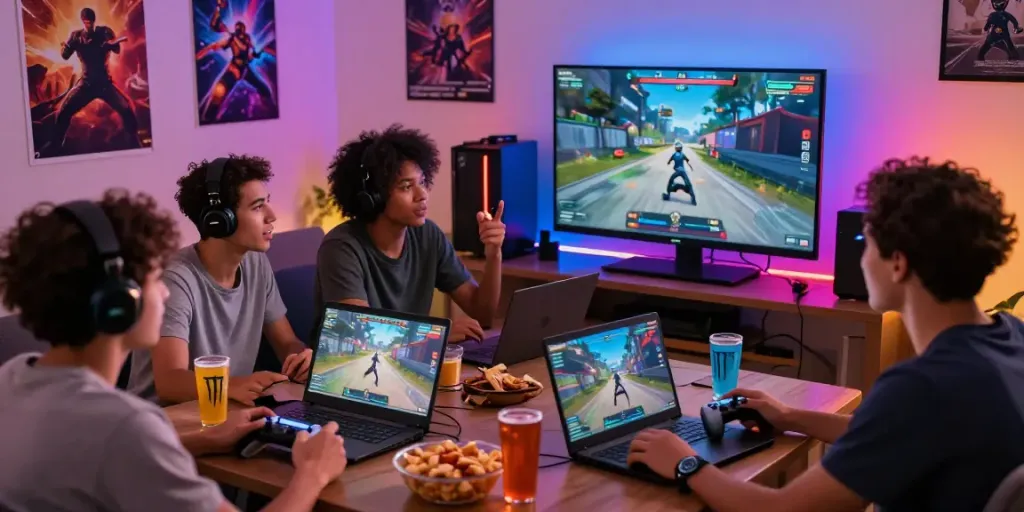
Understanding the Appeal of Multiplayer Games
Multiplayer games have gained immense popularity over the years, transcending mere entertainment to become fundamental social experiences for friends and communities. The camaraderie built while playing together not only enhances the fun but often leads to lasting friendships. As players engage in dynamic challenges, the thrill of competition is felt collectively, making moments shared in-game memorable and impactful. For those seeking insights into how to choose the right multiplayer games, mild88 provides comprehensive suggestions tailored to different tastes and preferences.
Why Multiplayer Games Are Popular Among Friends
The core appeal of multiplayer games lies in their ability to foster social interaction. Unlike solo gaming experiences, multiplayer platforms encourage teamwork, collaboration, and communication. Whether it's strategizing in a battle royale or coordinating efforts in a cooperative quest, these games offer unique opportunities to bond with friends. The shared victories or defeats create a tapestry of experiences that can be reminisced about long after the game is over.
Exploring Different Genres for Group Play
When selecting a game, it’s crucial to consider various genres that cater to the interests of all players involved. Battle royales like PUBG Mobile and team-based shooters such as Valorant capitalize on strategic gameplay and teamwork. Alternatively, games like Mobile Legends focus on roles and character classes, enhancing gameplay dynamics through diversity. By matching the game genre to group preferences, players can ensure that everyone remains engaged and has fun, minimizing the risk of boredom.
The Social Benefits of Gaming Together
Beyond entertainment, multiplayer gaming cultivates several social benefits. Players develop critical skills such as communication, problem-solving, and strategic thinking. Furthermore, the shared experiences foster a sense of belonging and inclusion, which can be especially valuable in today’s digital age. The collaborative nature of these games also reinforces friendships, as players must rely on one another to achieve common goals.
Key Factors for Selecting the Right Game
Choosing the appropriate multiplayer game requires careful consideration of several key factors that can significantly influence the gaming experience. Understanding both the interests of the group and the technical requirements of the game ensures a smooth and enjoyable play session.
Matching Game Genres to Player Preferences
It's essential to align game choices with the preferences and skills of all players. Some groups may prefer fast-paced action found in first-person shooters, while others might enjoy immersive storytelling in role-playing games (RPGs). When everyone is invested in the game’s premise and mechanics, the overall enjoyment level increases, making for an electrifying gaming atmosphere.
Assessing Hardware Requirements and Accessibility
Before diving into a new game, it’s vital to evaluate the hardware requirements and accessibility of the game. Low-spec games may be more inclusive for players with varied device capabilities. Opting for titles that run smoothly on different systems can help ensure that no one feels left out due to technical limitations. A game optimized for performance will provide a seamless experience regardless of whether players are on high-end PCs or mobile devices.
The Importance of Smooth Gameplay Experience
Smooth gameplay is paramount for an enjoyable multiplayer experience. Factors such as frame rates, latency, and server stability can greatly impact how players perceive the game. Games that lag or stutter can lead to frustration and disengagement. As such, players should prioritize titles known for their low latency and robust server infrastructures, ensuring everyone can participate effectively without technical hindrances.
Essential Communication Tools for Team Success
Effective communication is the backbone of success in multiplayer gaming. Whether coordinating strategies or providing real-time updates during gameplay, the tools and systems used for communication can make or break a team's performance.
Effectiveness of Voice Chat in Competitive Games
Voice chat has revolutionized how players communicate during intense gameplay sessions. Many competitive games now feature built-in voice chat systems, allowing players to convey information rapidly. This direct method of communication can enhance coordination and improve gameplay outcomes significantly, especially in fast-paced environments where split-second decisions are essential.
The Role of In-game Communication Systems
In-game communication systems, such as ping systems or quick chat options, provide players with alternative methods to share crucial information even when voice chat isn’t available. These tools are vital for building team strategies and ensuring everyone is on the same page without overwhelming verbal communication. The integration of these systems contributes to a more organized and effective gaming experience.
Enhancing Coordination and Strategy Through Communication
Effective communication fosters better coordination and strategy among teammates. Players who can quickly share updates about enemy locations or changes in strategy are more likely to secure victories. Groups that utilize a combination of voice chat, in-game systems, and strategic planning will find themselves performing better and enjoying their time together even more.
Maintaining Fair Play in Multiplayer Environments
Fair play is crucial in maintaining a positive gaming atmosphere. Ensuring that all players are on a level playing field enhances the overall gaming experience and keeps engagement high.
The Significance of Fair Matchmaking Systems
Matchmaking systems designed to pair players of similar skill levels are essential for preserving fair competition. Games that utilize such systems prevent scenarios where inexperienced players face off against seasoned veterans, which can be discouraging and detrimental to their gaming experience. A balanced matchmaking system allows players to improve gradually and fosters a competitive spirit.
Understanding Skill-Based Matchmaking Mechanics
Skill-based matchmaking (SBMM) is a system designed to improve game balance by evaluating players' past performances and adjusting matches accordingly. It helps create a competitive environment that challenges players without overwhelming them. Understanding how SBMM works can guide players in developing their skills and enhancing their gameplay experience over time.
Creating a Positive Gaming Culture Among Players
Promoting a positive gaming culture is essential for fostering healthy competition and enjoyment. Encouragement, sportsmanship, and respect among players will lead to a vibrant gaming community where everyone feels welcomed. Groups that actively promote such values can increase retention and make multiplayer sessions more enjoyable for all involved.
Future Trends in Multiplayer Gaming for 2026
The landscape of multiplayer gaming is constantly evolving, influenced by technological advancements and shifting player expectations. Keeping an eye on emerging trends can help gamers stay ahead of the curve and maximize their gaming experiences.
Emerging Gaming Technologies Enhancing Experience
The future of multiplayer gaming will be significantly shaped by new technologies such as virtual reality (VR) and augmented reality (AR). These innovations promise to create immersive experiences that blur the lines between reality and the game world, allowing players to engage with their environment and each other in unprecedented ways.
Social Interactions Shaping Online Communities
As multiplayer games continue to grow in popularity, the role of social interactions in shaping online communities will become increasingly important. Players will seek games that foster community building and shared experiences, leading developers to focus on creating environments that encourage collaboration and socialization.
Predictions for Game Development and Player Engagement
Future game development will likely emphasize player engagement through dynamic content updates and customizable experiences. Developers may experiment with evolving game worlds that respond to player actions and decisions, keeping the gameplay fresh and engaging. The emphasis on community-driven content will also grow, giving players a voice in shaping their gaming experiences.
What are the best games for multiplayer enjoyment?
Some of the most popular games for multiplayer enjoyment include titles like Valorant, Apex Legends, and Minecraft. Each offers unique mechanics, gameplay styles, and opportunities for social interaction, catering to a variety of player preferences.
How can I improve my team communication during gameplay?
Improving team communication can be achieved through regular practice, utilizing voice chat effectively, and establishing clear roles and strategies before engaging in matches. Teams should also use in-game communication tools to quickly relay essential information.
What hardware is recommended for a seamless gaming experience?
For an optimal gaming experience, players should consider hardware that meets or exceeds the recommended specifications for their chosen games. This includes high-performance graphics cards, ample RAM, and a reliable internet connection to ensure smooth gameplay.
How can matchmaking systems impact game enjoyment?
Matchmaking systems significantly impact game enjoyment by ensuring balanced competitions. Fair matchmaking allows players of similar skill levels to compete, which avoids frustrating matchups and promotes a more enjoyable gaming environment.
What future trends can we expect in online gaming?
Future trends in online gaming may include increased adoption of VR and AR technologies, more community-driven content, and enhanced gameplay experiences that adapt to individual player styles, ensuring that multiplayer games remain exciting and fresh.