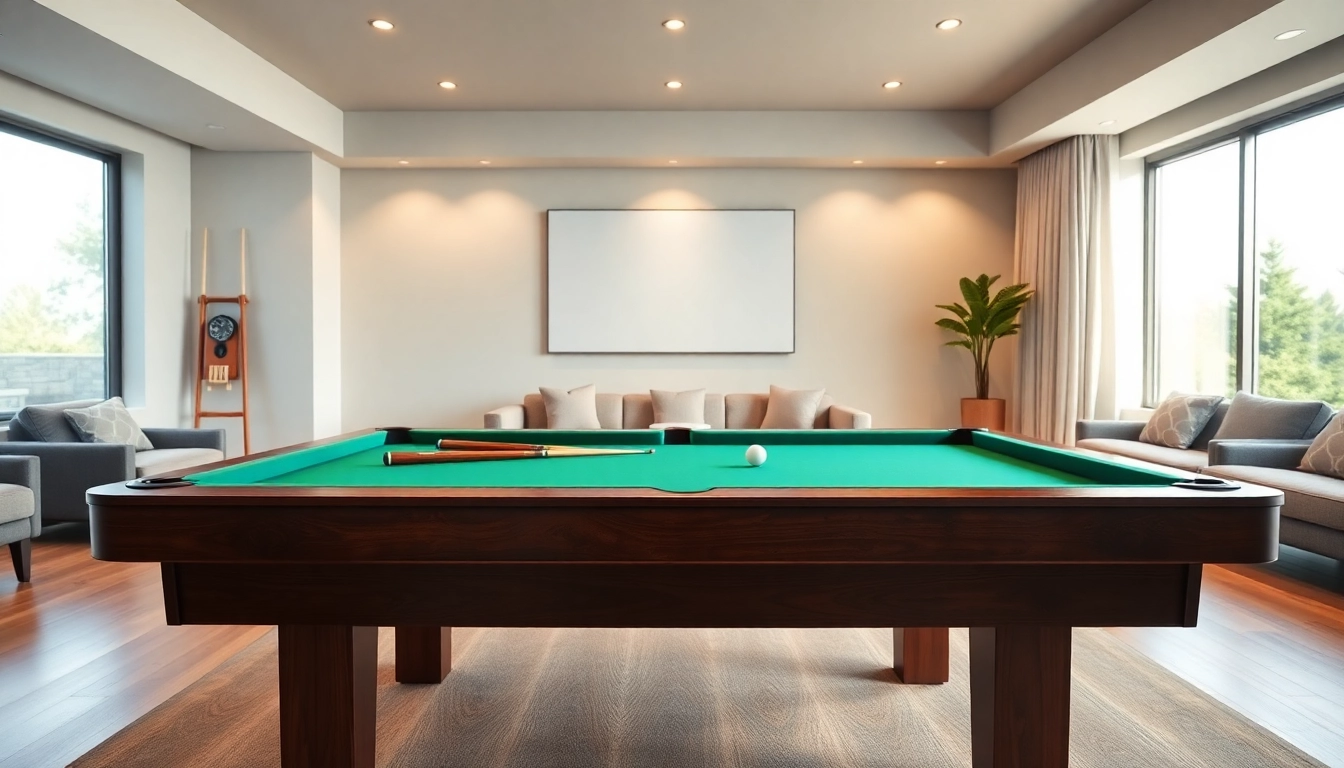
Understanding Pool Tables
Embracing the game of billiards in your home starts with choosing the right pool table. Whether you’re a weekend player or an aspiring champion, understanding the essentials will guide you in making an informed purchase. This comprehensive guide will cover everything you need to know about pool tables, from the types available to features worth considering, all while explaining how quality impacts your gameplay experience. Those looking to buy their own can find valuable insights that ensure satisfaction in the long run. For a head start, you can Buy Pool Tables tailored to your requirements and preferences.
Types of Pool Tables
Pool tables come in various types, each designed for different styles of play. Here’s a closer look at the main categories:
- Portable Pool Tables: These are lightweight options that can be easily moved and stored. They are perfect for casual players and those who may not have permanent game rooms.
- Slate Pool Tables: Known for their durability and superior playability, slate tables are often a choice for serious players. The solid slate surface provides a better roll and feels for professional play.
- Wooden Pool Tables: Often designed with aesthetics in mind, these tables come in various finishes and styles, adding to the decor of your game space. Ensure they have a quality playing surface and good construction.
- Bar Size Pool Tables: These smaller tables (often 7-feet long) are ideal for those tighter on space, such as apartments or smaller game rooms. They are typically less expensive and easier to fit in various settings.
- Regulation Size Pool Tables: These tables are 8-feet long or longer, providing the full experience typical of competitive and professional settings.
Key Features to Consider
When choosing a pool table, certain features should be prioritized:
- Playing Surface: Slate is generally preferred for serious play, while MDF (medium-density fiberboard) may suffice for casual use.
- Framing: A robust frame ensures stability. Solid wood or high-quality metal bases provide durability.
- Pocket Type: Choose between drop pockets or ball return systems based on aesthetics and playability.
- Finish and Style: Consider how the table’s design and finish will complement your space, from rustic to modern looks.
- Leveling Mechanism: Adjustability features allow you to level the playing surface, which is crucial for fairness in gameplay.
Benefits of Buying Quality Tables
Investing in a quality pool table translates to enhanced gameplay and long-term satisfaction. Here are several advantages:
- Improved Playability: Quality tables allow for better ball response, making the game more enjoyable and competitive.
- Longevity: Well-constructed tables can last for decades with proper care, providing excellent value over time.
- Enhanced Experience: A good table considerably improves the gaming experience, whether for casual play or serious matches.
- Resale Value: High-quality tables retain their value better, which can be an advantage if you plan to upgrade in the future.
How to Buy Pool Tables
Purchasing a pool table necessitates careful consideration of various factors. Here’s how to navigate the buying process effectively.
Evaluating Your Space and Needs
Begin by assessing the available space in your home. Measure the area where you intend to place the table, and remember to account for space around it for comfortable play. A rule of thumb is to have at least 5 feet of clearance around the table for cues. Understanding your playing style can also help steer your choice, as recreational players might prioritize different features than competitive ones.
Setting a Budget for Your Purchase
Budgeting is critical when buying a pool table. The range can vary significantly based on quality and materials—set a baseline that includes not only the table but also accessories such as cues, balls, and maintenance kits. Remember to factor in installation or shipping costs for heavier tables, especially slate options. Allocating additional funds for quality will yield better results in durability and performance.
Identifying Reputable Sellers
Do your homework and select a reputable seller. Seek out customer reviews and ratings to gauge history and reliability. A reliable retailer often provides warranties and after-sale support, making your investment safer. Ensure that the seller focuses on quality products and offers a range of choices that can suit varying budgets.
Top Considerations for Buying Pool Tables
When purchasing a pool table, several key considerations can help simplify the process and ensure a satisfactory decision.
New vs. Used Pool Tables
Deciding between new and used tables ultimately depends on your budget and preferences. New tables usually offer the latest technology and warranty protections, while used ones can represent significant savings. However, always inspect a used table for damage, wear, and uneven surfaces before purchasing to avoid compromising your experience.
Size Options Explained
Pool tables come in various sizes, typically ranging from 7 to 9 feet in length. Standard sizes are as follows:
- 7-Foot Tables: Often referred to as bar tables, ideal for smaller spaces and casual play.
- 8-Foot Tables: A common choice for home game rooms offering a competitive feel.
- 9-Foot Tables: Preferred by serious players and establishments, providing the professional experience.
Consider your room size and personal or social play styles when selecting the appropriate size to balance aesthetics and functionality effectively.
Additional Accessories to Enhance Your Experience
When investing in a pool table, consider the additional accessories that can augment your enjoyment:
- Quality Cues: Invest in a set of quality cue sticks designed for your playing style.
- Balls: A good set of billiard balls ensures accuracy and a pleasant playing experience.
- Cue Racks: Help keep your cues organized and secure.
- Cover: Using a protective cover can preserve the table’s surface from dust and damage.
- Lighting: Proper overhead lighting enhances visibility and complements your game space.
Installation and Maintenance Tips
Proper installation and maintenance of your pool table are crucial for ensuring its longevity and performance. Here are steps to guide you through the process.
Professional Installation Services
If you opt for a heavier table, especially a slate model, professional installation is advisable. Trained technicians understand the nuances of placing and leveling the table correctly, essential for optimal performance. Do-it-yourself installation could result in misalignment and affect your gameplay.
Routine Maintenance Essentials
Regular maintenance is key to keeping your pool table in the best possible condition. Here are some essentials:
- Cue and Ball Cleaning: Regularly clean your cues and balls to ensure smooth play.
- Table Cleaning: Dust the felt and surface frequently and consider reconditioning it annually to maintain quality.
- Check Leveling: Periodically check if the table remains level, making adjustments as necessary.
- Felt Repairs: Address any damage to the felt immediately to prevent larger issues.
Common Repairs and Troubleshooting
Some common issues may arise while using your pool table. Here are simple solutions:
- Warped Surface: Ensure proper climate control in the room to avoid warping over time.
- Loose Legs: Tighten any loose screws or bolts regularly to maintain stability.
- Worn Felt: Consider professional re-felting if you notice significant wear.
- Pool Ball Cracking: Replace cracked balls promptly to ensure proper play.
Frequently Asked Questions
What size pool table should I buy?
Choose a size based on your available space and playing style. Generally, 8-foot tables are ideal for home games, while 7-foot tables suit smaller rooms.
How much should I expect to spend on a good table?
Expect to spend anywhere from several hundred to several thousand dollars, depending on size and quality. Quality materials usually promise better longevity.
Can I assemble the pool table myself?
While it’s possible to assemble a table yourself, hiring professionals is recommended for heavier models, as they ensure proper leveling and installation.
What are the best materials for pool tables?
Slate is the preferred material for serious tables due to its durability. Solid wood frames provide stability, while high-quality felt enhances gameplay.
Where can I find pool tables near me?
Check local furniture retailers, specialized billiard stores, or online marketplaces to find pool tables that fit your needs and budget.