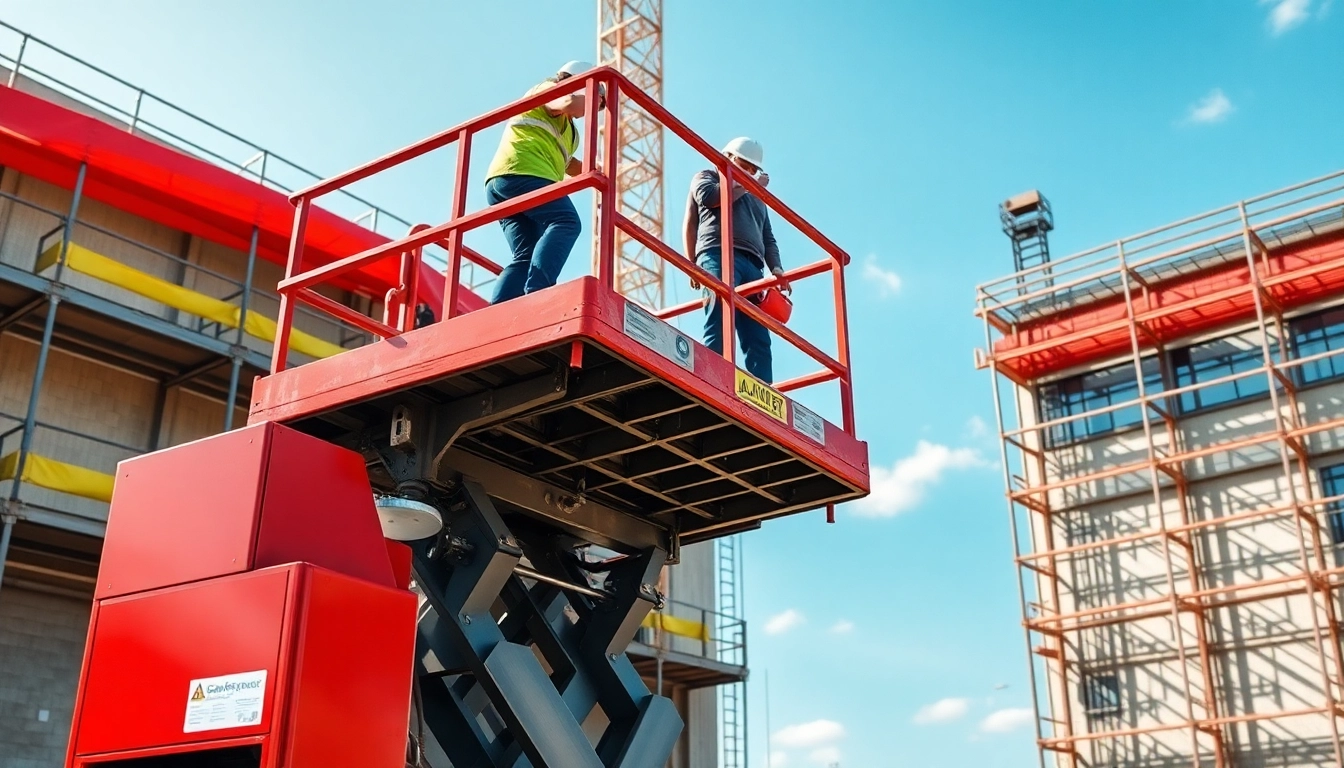
Understanding the Cherry Picker
What is a Cherry Picker?
A cherry picker, often referred to as an aerial work platform or boom lift, is a vital mechanical device designed to elevate individuals and equipment to high or hard-to-reach areas. Typically, these machines consist of a platform or bucket mounted on a hydraulic arm, which can extend and pivot to provide accessibility for various tasks. Essential in construction, maintenance, and other industries, the cherry picker plays a critical role in ensuring safety and efficiency while working at heights. For further details on how these devices can transform your workflow, check out this cherry picker overview.
How Cherry Pickers Work
The operational principle of a cherry picker involves hydraulic systems that control the movement of the lifting arm and the platform. By adjusting hydraulic fluid pressure, operators can smoothly and safely raise or lower the platform, allowing for precise positioning. Most cherry pickers also feature controls located on the platform, giving the user direct access to operate the lift from where they are working. This arrangement enhances both safety and convenience, enabling workers to focus on their tasks rather than navigating down to ground controls frequently.
Applications of Cherry Pickers
Cherry pickers are employed in a wide array of applications across different sectors. In construction, they are crucial for tasks such as installing roofing materials, performing facade repairs, and painting high surfaces. Utilities and telecommunications companies utilize cherry pickers to maintain and install power lines and communication cables. Similarly, event coordinators employ these machines for setting up lighting and staging at concerts and festivals. Their versatility also makes them suitable for rescue operations in emergency situations, showcasing their essential role in various domains.
Types of Cherry Pickers
Vehicle-Mounted Cherry Picker
Vehicle-mounted cherry pickers are integrated onto trucks or vans, providing mobility for transporting the unit to job sites. Offering extended reach and stability, these cherry pickers have the advantage of being able to quickly relocate when required. They are ideal for urban settings where workers need to access overhead utilities or structures swiftly.
Self-Propelled Cherry Picker
Self-propelled cherry pickers have the unique feature of being able to move independently without the need for a separate vehicle. They are equipped with wheels and an onboard operator controls the speed and direction of movement. This mobility proves particularly beneficial on construction sites or indoor locations where space may be limited, allowing operators to navigate tight corners and obstacles effortlessly.
Push-Around Cherry Picker
Unlike the larger models, push-around cherry pickers are compact and lightweight, making them easy to maneuver manually. They are designed for use in less demanding situations, such as indoor maintenance or installation tasks, where weight restrictions hinder larger machines. Despite their size, push-around cherry pickers can still reach considerable heights, making them a popular choice for facilities management.
Choosing the Right Cherry Picker
Assessing Your Needs
When selecting a cherry picker, it's crucial to assess the specific requirements of your tasks. Consideration factors such as the height required, the weight capacity needed, and the type of terrain where the machine will operate. Additionally, understanding whether the work will take place indoors or outdoors is vital, as it influences your choice between self-propelled and push-around models.
Key Features to Consider
Key features to consider when choosing a cherry picker include the working height, weight capacity, platform size, and maneuverability. Many cherry pickers come equipped with safety features such as guardrails and emergency stop buttons, enhancing operational safety. Furthermore, evaluating whether the unit has power options (such as electric or gasoline) can help in selecting the most efficient cherry picker for your needs.
Safety Standards and Regulations
Cherry picker operators must adhere to strict safety standards and regulations set by governing bodies to ensure safe operation. These regulations often cover operator training, inspection protocols, and maintenance requirements. It is critical to familiarize yourself with these guidelines to mitigate risks and ensure compliance, ultimately protecting both workers and the public.
Rental vs. Purchase of Cherry Picker
When to Rent
Renting a cherry picker may be the best option for short-term projects or specific tasks requiring specialized models. By renting, companies can access the latest models and technologies without a significant initial investment. Additionally, rental services often provide maintenance support, alleviating concerns regarding upkeep.
When to Buy
Purchasing a cherry picker is advisable for organizations that anticipate long-term needs or frequent use. Owning the equipment also allows for consistent maintenance and operational familiarity, enhancing productivity over time. Moreover, buying may be a cost-effective solution in the long run, especially for enterprises heavily reliant on aerial work.
Cost-Effectiveness Analysis
A comprehensive cost-effectiveness analysis should include various factors such as rental fees, maintenance costs, depreciation, and operational efficiency. By meticulously evaluating these aspects, businesses can determine the most financially advantageous route—whether to rent periodically or invest in ownership.
Best Practices for Operating Cherry Pickers
Pre-Operation Safety Checks
Conducting thorough pre-operation safety checks can proactively identify potential issues with the cherry picker before commencing work. This process includes inspecting hydraulic systems, ensuring safety harnesses are functional, and checking for any physical damages. Establishing a daily checklist can streamline these inspections and instill a culture of safety among operators.
Proper Operating Techniques
Proper operating techniques are crucial for ensuring both the safety of the operator and efficiency during tasks. Operators should always use personal protective equipment (PPE), maintain a clear line of sight, and avoid overreaching while on the platform. Further, it is essential to communicate with ground crew members, potentially using two-way radios to ensure coordinated movements and instructions.
Maintenance Tips for Longevity
Regular maintenance is essential for extending the lifespan of a cherry picker. This includes following the manufacturer's service schedule, keeping the machine clean, checking hydraulic levels, and routinely testing safety features. Implementing a maintenance log can help track servicing dates and identify patterns in repairs, making proactive upkeep easier.
Frequently Asked Questions (FAQs)
What is the maximum height a cherry picker can reach?
Cherry pickers can reach heights ranging from 20 feet to over 150 feet, depending on the model and its specifications. Always check the manufacturer's guidelines for precise limits.
How much weight can a cherry picker lift?
The lifting capacity of a cherry picker varies by model, generally between 300 to 1,000 pounds. Always consult the specific cherry picker’s operational manual for safety information.
Do I need a license to operate a cherry picker?
Yes, in many regions, operators may require certification or training to operate a cherry picker safely. Check local regulations to ensure compliance.
How often should cherry pickers be inspected?
Cherry pickers should undergo daily inspections before use, with more thorough evaluations performed weekly and annually as mandated by regulations and manufacturer guidelines.
Can cherry pickers be used indoors?
Yes, many cherry pickers are designed for indoor use, particularly electric models which produce lower emissions and noise, making them suitable for confined spaces.