Understanding the Concept of Perceived Age
In today’s world, where technology merges with our personal lives, understanding perceived age has become a captivating subject. The question "how old do I look?" is not just a casual inquiry; it taps into our perceptions of beauty, health, and social acceptance. With advancements in artificial intelligence, we can now analyze our facial features and estimate our perceived age, offering insights into how others may view us based on our appearance. If you're curious about this fascinating topic, how old do I look provides comprehensive insights that can help you explore various age estimation tools and technologies.
What Does "How Old Do I Look?" Mean?
The phrase "how old do I look?" encapsulates an age-old concern about self-image and societal standards. It reflects our desire to perceive ourselves positively in a world that often equates youth with beauty and vitality. This query can lead to various results, from light-hearted conversations to deep self-reflection about aging gracefully.
The Science Behind Age Estimation Technology
Age estimation technology employs sophisticated algorithms and machine learning models that analyze facial features to determine a person's biological age. These systems leverage datasets of thousands of images to identify patterns that correlate specific facial markers, such as wrinkles, skin texture, and facial contours, with aging processes. This scientific backing makes the results of age estimation tools increasingly accurate, providing users with insights that they might not have considered before.
Factors Influencing Our Perceived Age
A multitude of factors influences our perceived age, making it a complex interplay of genetics, lifestyle, and environmental elements. Key factors include:
- Genetics: Genetic predisposition plays a significant role in how our skin ages and how our facial structure changes over time.
- Lifestyle Choices: Factors like sun exposure, diet, smoking, and exercise can dramatically affect the aging process.
- Emotional Well-being: Stress and happiness can manifest physically on our faces, altering perceptions of age.
The Rise of AI in Age Estimation
As technology evolves, artificial intelligence (AI) is becoming a game-changer in age estimation. AI models are being developed to analyze and understand facial features with remarkable precision, offering users a fun yet insightful way to engage with their appearance.
How AI is Changing the Game for Age Guessing
AI has revolutionized the way we guess age by providing tools that do more than just estimate; they generate real-time analytics based on facial recognition. The growing accessibility of AI-powered age estimation tools allows individuals to playfully explore their perceived age and compare it against thousands of others, creating a unique community around self-perception.
Privacy Considerations in AI Age Estimation
With the power of AI comes the responsibility to safeguard personal data. Users must be aware of how their images are utilized. Most reputable age estimation platforms prioritize user privacy, employing secure systems to ensure that photos are not stored or misused. However, it is essential for users to read privacy policies carefully and to choose platforms that are transparent about their data handling practices.
Comparing AI Tools: Which One is the Best?
With various AI tools available for age estimation, users may wonder which offers the best accuracy and user experience. Some of the prominent tools include:
- FaceAge.ai: Known for its accuracy, it uses advanced algorithms to analyze facial features.
- Fotor: Offers a simple, user-friendly interface that quickly gives age estimates with minimal hassle.
- BeautyPlus: Blends age estimation with effects that enhance selfies, appealing to younger demographics.
Ultimately, the best tool depends on individual preferences, including desired features and interface usability.
User Experience: How to Make the Most of Age Estimation Tools
The enjoyable aspect of exploring one’s perceived age lies in the engagement these tools offer. To maximize your experience, consider the following:
Steps to Upload Your Photo Effectively
When using age estimation tools, proper photo selection is crucial. Ensure your photo is well-lit, shows your face clearly, and is taken from a neutral angle to yield more accurate results. Avoid using heavily filtered or edited images, as they can skew the estimation.
Interpreting Your Results: What Do They Mean?
Results from these tools are generally an estimate of biological age based on visual features. While it can be surprising to see a discrepancy between perceived and actual age, it’s essential to remember that these tools are just that—tools. They provide a baseline that can lead to engaging discussions about self-perception and aging.
Common Mistakes to Avoid in Age Estimation
Rushing through the process or not following guidelines can lead to inaccurate results. Common pitfalls include:
- Uploading low-quality images
- Ignoring facial obstructions, such as glasses or hats
- Using heavily edited photos that misrepresent your actual features
Real-World Applications of Age Estimation Technology
Beyond personal curiosity, age estimation technology has practical applications in numerous fields, particularly in marketing, social media, and entertainment.
How Businesses Use Age Estimation for Market Research
Companies are increasingly using age estimation tools to better understand their target demographics. By estimating the age of potential customers, businesses can tailor their marketing strategies, ensuring that the right messages reach the right audiences, enhancing customer engagement and improving sales conversions.
Social Media Trends Around Age-Guessing
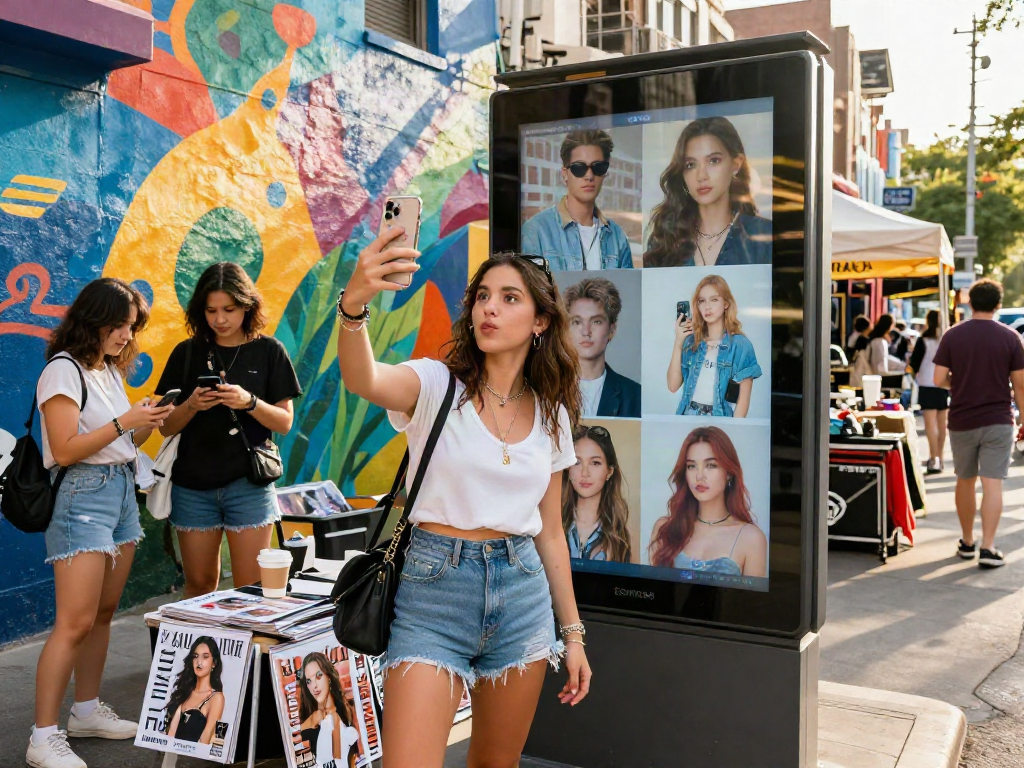
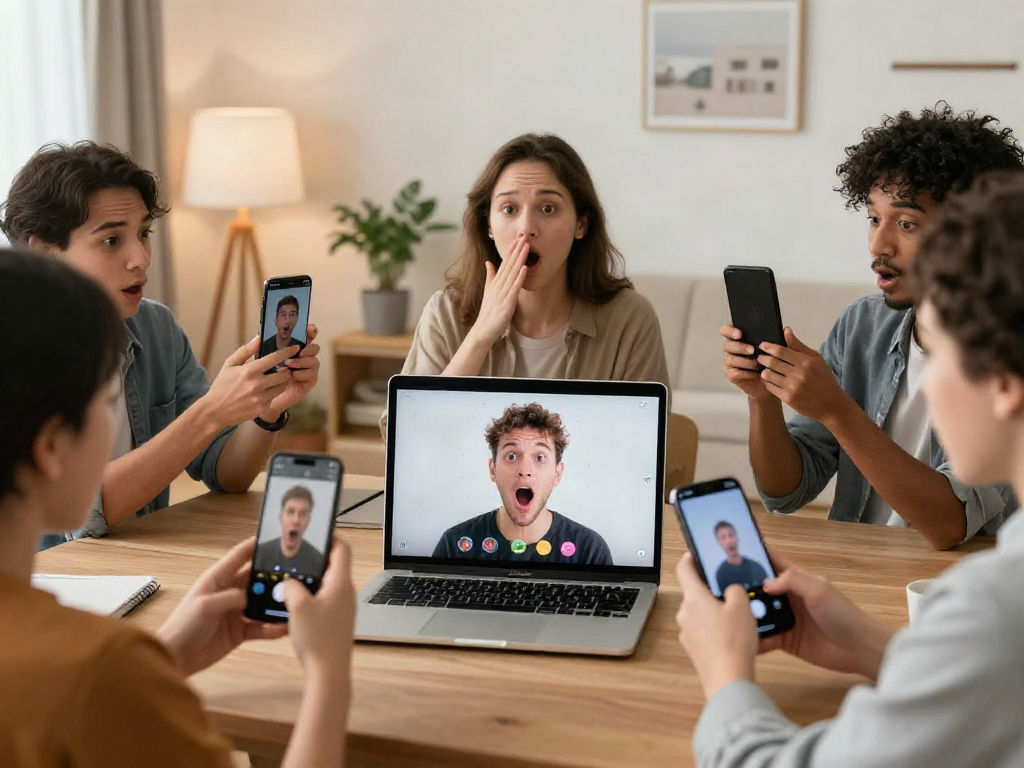
Social media platforms have seen a surge in trends related to age estimation, where users compare results and engage in fun challenges. This trend not only entertains but also encourages an open conversation about aging and self-image among different age groups.
Fun and Games: Age Estimation in Entertainment
Entertainment companies are capitalizing on age estimation, using these tools to create interactive experiences for users. From games that challenge friends to guess their ages to reality shows that incorporate these estimates, the entertainment industry is finding innovative ways to engage audiences through playful explorations of age.
Future Trends in Age Estimation Technology
The future of age estimation technology looks promising, with advancements in AI expected to lead to even more accurate and user-friendly tools.
Predictions for Technological Advancements by 2026
By 2026, we can anticipate significant improvements in algorithmic design, allowing for more nuanced understanding of facial aging dynamics. This includes taking into account environmental factors and personal history, creating a more holistic view of age perception.
How User Expectations are Shaping Future Tools
As users become more savvy about technology, their expectations are driving companies to enhance user experience. Features such as instant feedback, gamification, and personalized insights based on age perceptions are becoming critical factors in the design of future age estimation tools.
Ethical Considerations for the Next Generation of Age Estimators
With the rise of AI comes the challenge of ethical considerations, particularly regarding privacy and accuracy. Future tools will need to address potential biases in algorithms and ensure that users are well-informed about how their data is used and the implications of the feedback they receive.
What is the most accurate age estimation tool available?
The accuracy of age estimation tools can vary widely. Tools that utilize extensive datasets and continuously improve their algorithms will likely offer more reliable results. Users should look for platforms with well-documented methodologies and user reviews.
How does AI determine perceived age?
AI determines perceived age by analyzing visual features using machine learning models trained on diverse image datasets. These datasets include a variety of ages, ethnicities, and genders, allowing AI to recognize patterns that correlate with aging.
Is it safe to upload my photo on these platforms?
While many reputable platforms employ strict privacy measures, users should always confirm that their chosen tool prioritizes data security and transparency regarding image use.
Can age estimation tools be used for other applications?
Yes, age estimation tools can be applied in fields beyond personal curiosity, including market research, health assessments, and even in creative industries for character development in media.
What trends are emerging in the age estimation landscape?
Emerging trends include gamification of age estimation tools, integration with social media, and a focus on personalized user experiences that enhance engagement.